
Key Takeaways
- The main types of solar panels are monocrystalline, polycrystalline, and thin film, but modern N-Type monocrystalline technology now dominates Perth’s market.
- Monocrystalline panels like the Jinko Tiger Neo N-Type or Aiko Solar models deliver up to 24% efficiency and handle Perth’s high temperatures exceptionally well.
- Polycrystalline panels are still available but are now largely replaced by more efficient Mono PERC and N-Type designs.
- Thin film panels remain niche — suited to solar farms and architectural projects rather than residential rooftops.
- Vista Electrical Controls supplies Tier-1 brands including Jinko, JA Solar, Risen, Longi, Seraphim, Aiko, and Canadian Solar, paired with premium Fronius, Sungrow, and SolarEdge inverters.
Introduction
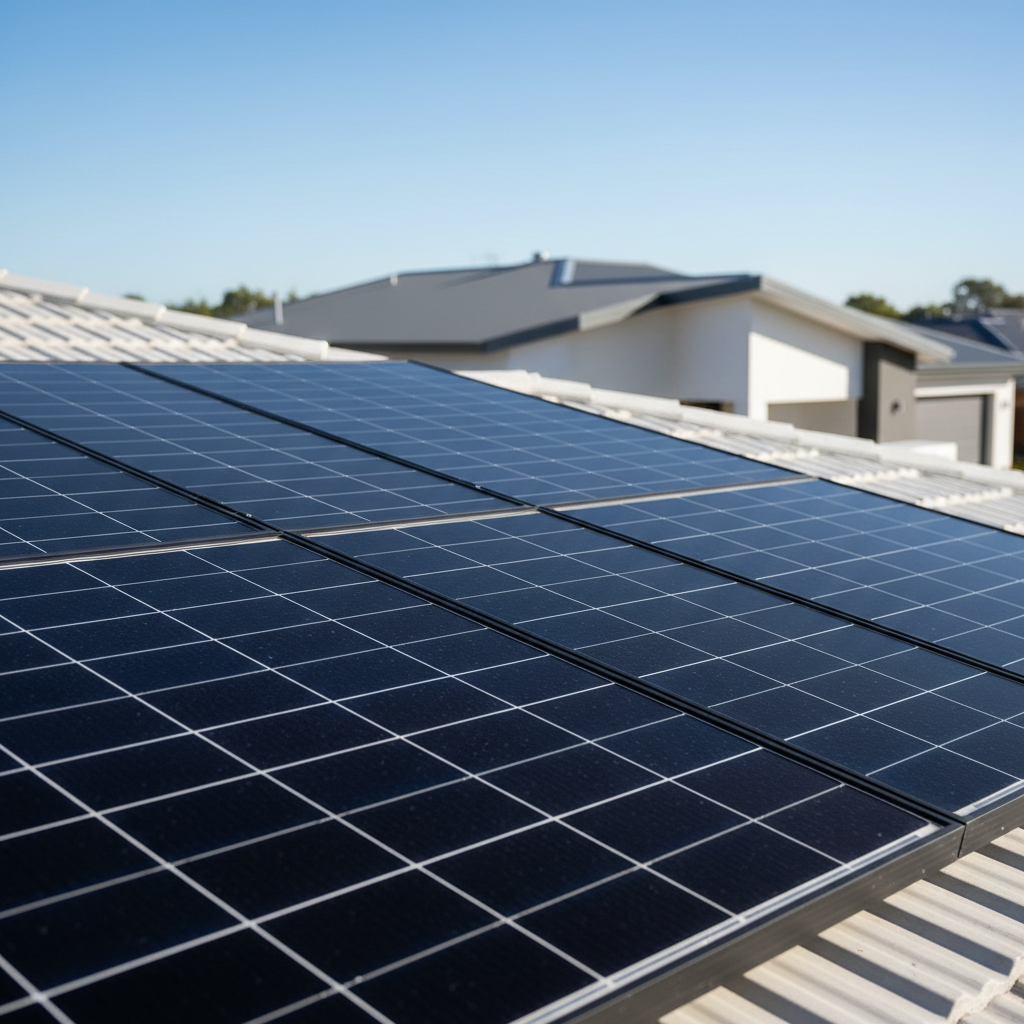
Perth is Australia’s sunniest capital city, receiving around 3,200 hours of sunshine every year. This abundance of solar radiation makes it the ideal environment for installing solar panels and reducing household electricity consumption through clean, renewable energy.
Yet not all solar panel types perform equally well under Perth’s heat. Factors like temperature coefficient, salt mist resistance, and roof space can all affect the long-term value of your solar system.
In this updated 2026 guide, we’ll explore the key types of solar panels, how they perform in Perth’s climate, and which brands offer the most reliable solar power systems available through Vista Electrical Controls.
How Solar Panels Work
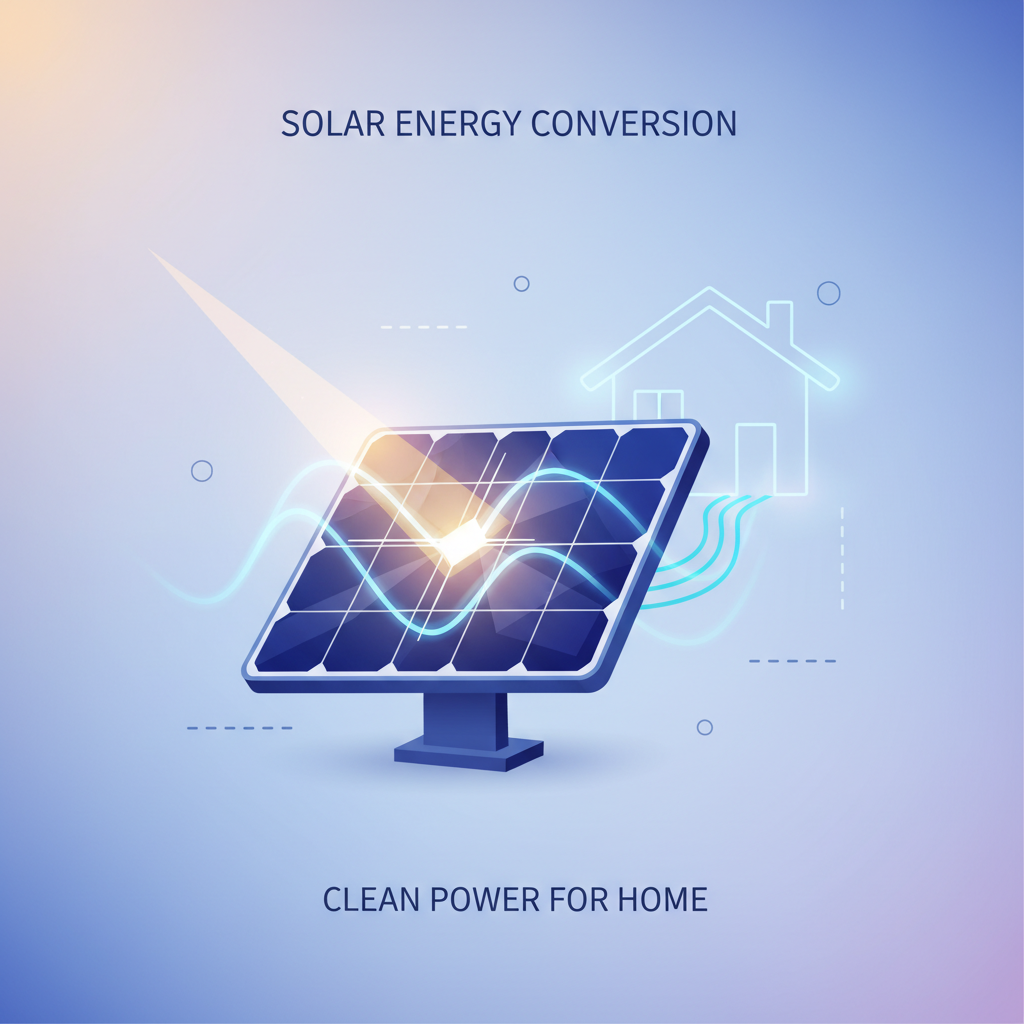
When sunlight hits the solar cells inside a panel, a reaction known as the photovoltaic effect occurs. This process converts sunlight into electrical energy, which is then inverted and used to supply energy to your home or exported to the electricity grid.
Most modern photovoltaic panels — also called PV panels — use crystalline silicon cells. These cells create an electric field that moves electrons to generate usable solar power. The result is clean, low-maintenance energy that can reduce your bills and carbon footprint for decades.
1. Monocrystalline Solar Panels (The Perth Standard)
Direct Answer:
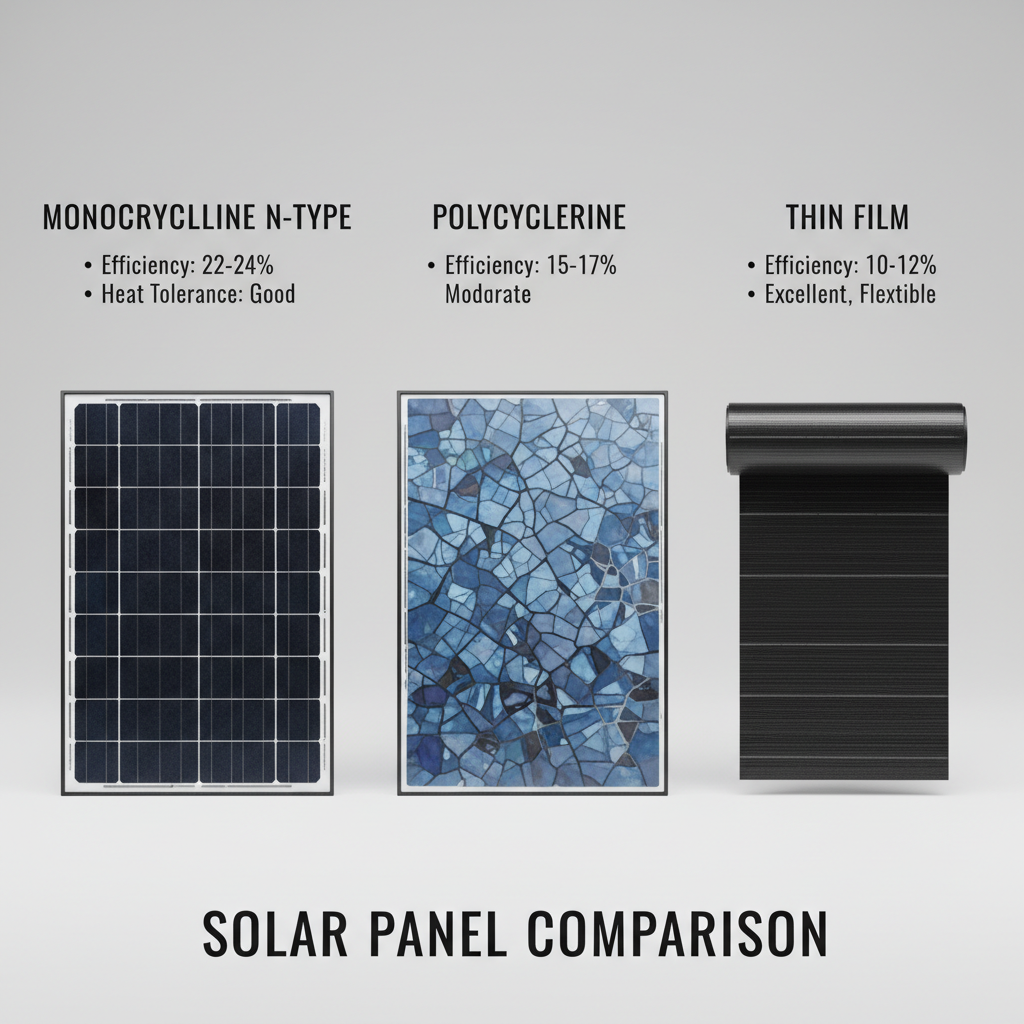
Monocrystalline solar panels use a single silicon crystal to achieve the highest efficiency and best heat tolerance among all types of solar panels.
These monocrystalline panels are crafted from pure silicon, forming uniform monocrystalline solar cells. Because electrons can move freely through this structure, they deliver more efficient power output per square metre than other panel types.
Efficiency & Performance:
Modern N-Type monocrystalline panels such as the Jinko Tiger Neo, Aiko Solar, or Longi Hi-MO 7 now reach 23–24% efficiency. They feature low temperature coefficients (around -0.3% per °C), meaning they retain performance even on 40°C Perth summer days.
Advantages:
- Highest efficiency and durability
- Excellent in limited roof space situations
- Superior performance in high temperature conditions
- Long lifespan (25–30 years)
- Minimal Light Induced Degradation (LID) thanks to N-Type technology
Common Models Supplied by Vista Electrical Controls:
- Jinko Tiger Neo N-Type
- Aiko Solar All-Back Contact (ABC)
- Longi Hi-MO 7
- JA Solar DeepBlue 4.0
- Risen Titan Series
- Seraphim Blade N-Type
- Canadian Solar TOPCon
These panels are also Salt Mist Corrosion Resistant (Level 6) — a crucial feature for Perth’s coastal suburbs like Cottesloe, Scarborough, and Rockingham.
. Polycrystalline Solar Panels (Legacy Technology)
Direct Answer:
Polycrystalline solar panels are made from multiple silicon crystals, offering affordability but lower efficiency than monocrystalline solar panels.
Once the standard choice for budget-conscious households, polycrystalline panels are now considered legacy technology. With monocrystalline technology prices dropping dramatically, most Perth installers — including Vista Electrical Controls — have transitioned to high-efficiency Mono PERC and N-Type systems.
Efficiency:
Typically 13–17%, depending on the model.
Advantages:
- Affordable, though now similar in cost to monocrystalline panels
- Proven durability and reliability
Limitations:
- Lower power output per square metre
- Higher temperature coefficient, reducing performance during Perth’s hot days
While polycrystalline modules still appear in some commercial projects or solar farms, they’re no longer recommended for new residential rooftop solar systems in WA.
3. Thin Film Solar Panels (Special Applications)
Direct Answer:
Thin film solar panels use a thin layer of photovoltaic material such as cadmium telluride or amorphous silicon, offering flexibility and lightweight installation options.
These thin film panels are manufactured using materials like cadmium telluride (CdTe) or copper indium gallium selenide (CIGS). Unlike crystalline panels, they don’t use traditional silicon wafers.
Efficiency & Use:
- Amorphous silicon panels: 6–10% efficiency
- CIGS panels: Up to 17–18% efficiency
- Cadmium telluride: Common in large-scale solar farms
Advantages:
- Lightweight and flexible
- Performs well in low light or partial shading
- Can be used on irregular surfaces
Limitations:
- Shorter lifespan (10–20 years)
- Lower efficiency, requiring more space
- Rarely used on rooftop solar systems in Perth
While thin film solar has a role in large installations or architectural projects, crystalline silicon panels remain the clear leader for residential performance.
Comparing the Main Types of Solar Panels
| Panel Type | Efficiency (2026) | Cost (Perth) | Heat Tolerance | Best Use Case |
|---|---|---|---|---|
| Monocrystalline (N-Type) | 22–24% | $$$ | Excellent (-0.29%/°C) | Residential rooftops |
| Polycrystalline | 13–17% | $$ | Fair (-0.4%/°C) | Large farms, legacy systems |
| Thin Film | 6–18% | $ | Good (-0.3%/°C) | Commercial or niche designs |
Choosing the Best Solar Panels for Perth Homes
Perth’s high solar radiation makes efficiency and durability more valuable than ever. When selecting your solar panel system, consider these insider tips from Vista’s technicians:
1. Choose N-Type Monocrystalline Panels
Modern N-Type monocrystalline panels (like Jinko Tiger Neo or Aiko Solar) outperform traditional P-Type cells. They resist Light Induced Degradation (LID) and Potential Induced Degradation (PID) — retaining their power output for decades.
2. Look for Salt Mist Protection
If you live near the coast, ensure your panels are Salt Mist Corrosion Resistant (IEC 61701 Level 6). All panels installed by Vista Electrical Controls meet or exceed this standard, making them perfect for WA’s coastal environment.
3. Pair with Premium Inverters
A solar panel is only as good as its inverter. Vista Electrical Controls supplies high-end models such as:
- Fronius (Austrian-built reliability)
- Sungrow (smart hybrid inverters)
- SolarEdge (with individual optimisers)
- Huawei Smart String and GoodWe
For energy storage, BYD, Huawei Luna, and AlphaESS batteries integrate seamlessly with these systems.
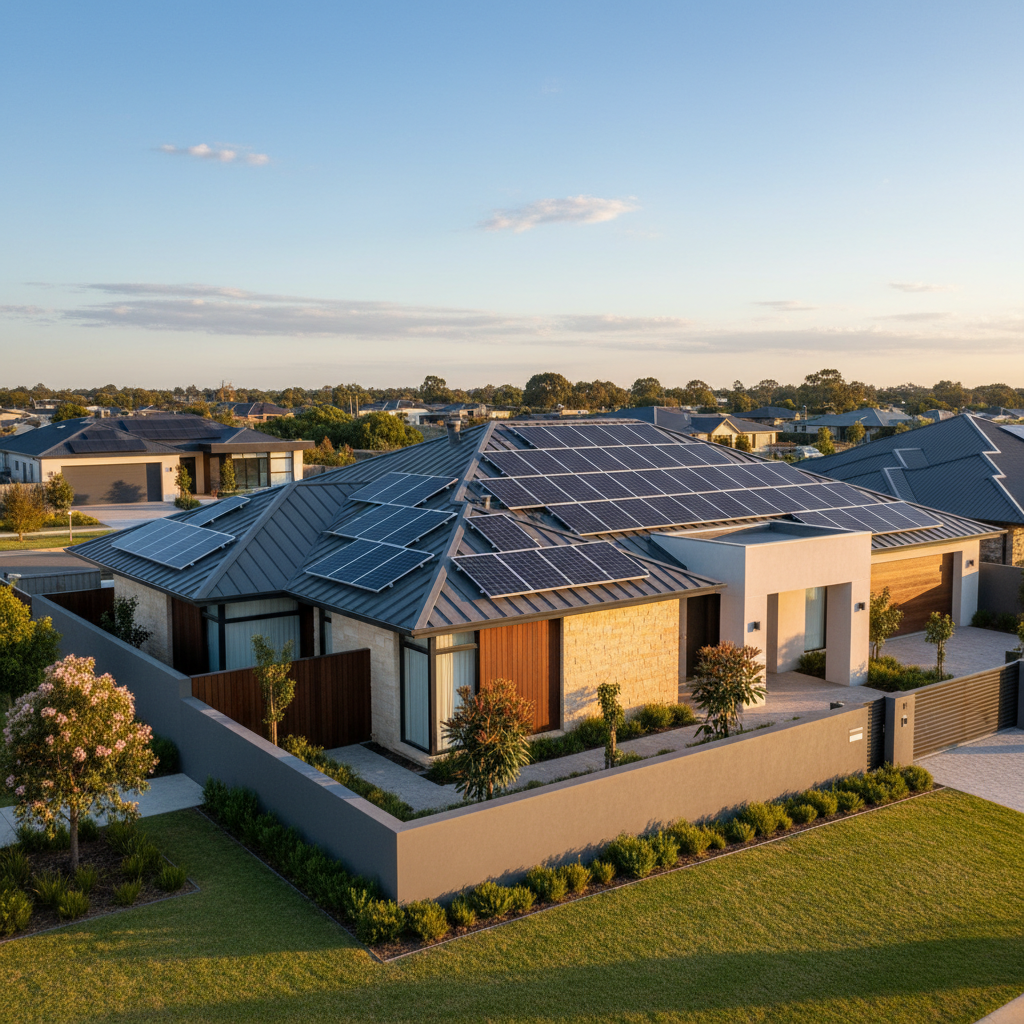
Why Choose Vista Electrical Controls
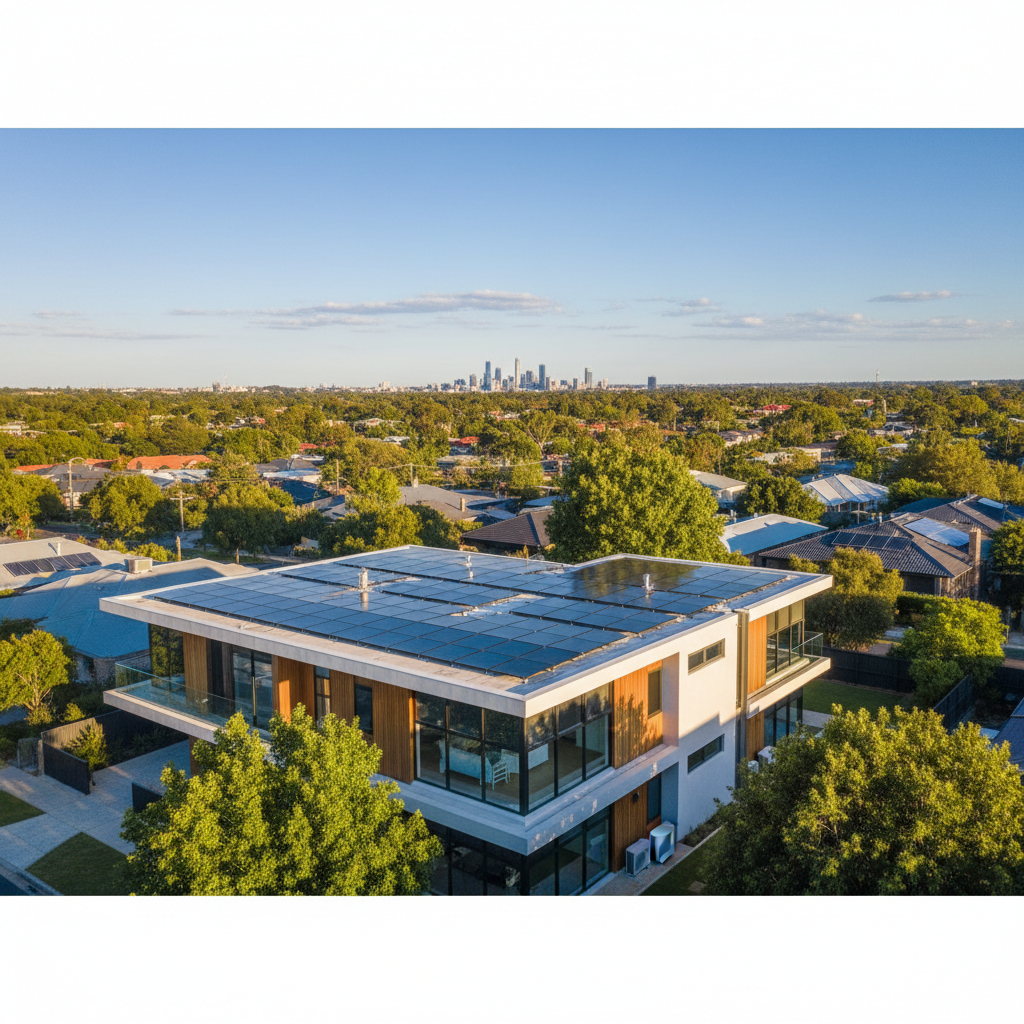
Choosing the right solar installer is just as important as selecting the right solar panel type. As a Perth-based provider, Vista Electrical Controls designs custom solar systems that maximise efficiency, aesthetics, and savings.
- Tier-1 panels proven to withstand Perth’s UV and heat
- CEC-accredited installers ensuring compliance with Australian standards
- Comprehensive warranties on panels, inverters, and workmanship
- Expertise in both residential and commercial solar installations
Whether you have limited roof space or a larger property, Vista’s tailored approach ensures your solar power system delivers long-term value and resilience.
Conclusion
When it comes to types of solar panels, monocrystalline technology — especially N-Type — is now the clear winner for Perth homes. With efficiency rates nearing 24%, excellent temperature performance, and proven salt mist resistance, they outperform every other solar panel type in Western Australia’s climate.
Partnering with a trusted local expert like Vista Electrical Controls ensures your solar energy investment lasts for decades, generating clean electrical energy and protecting you from power outages and rising grid prices.