
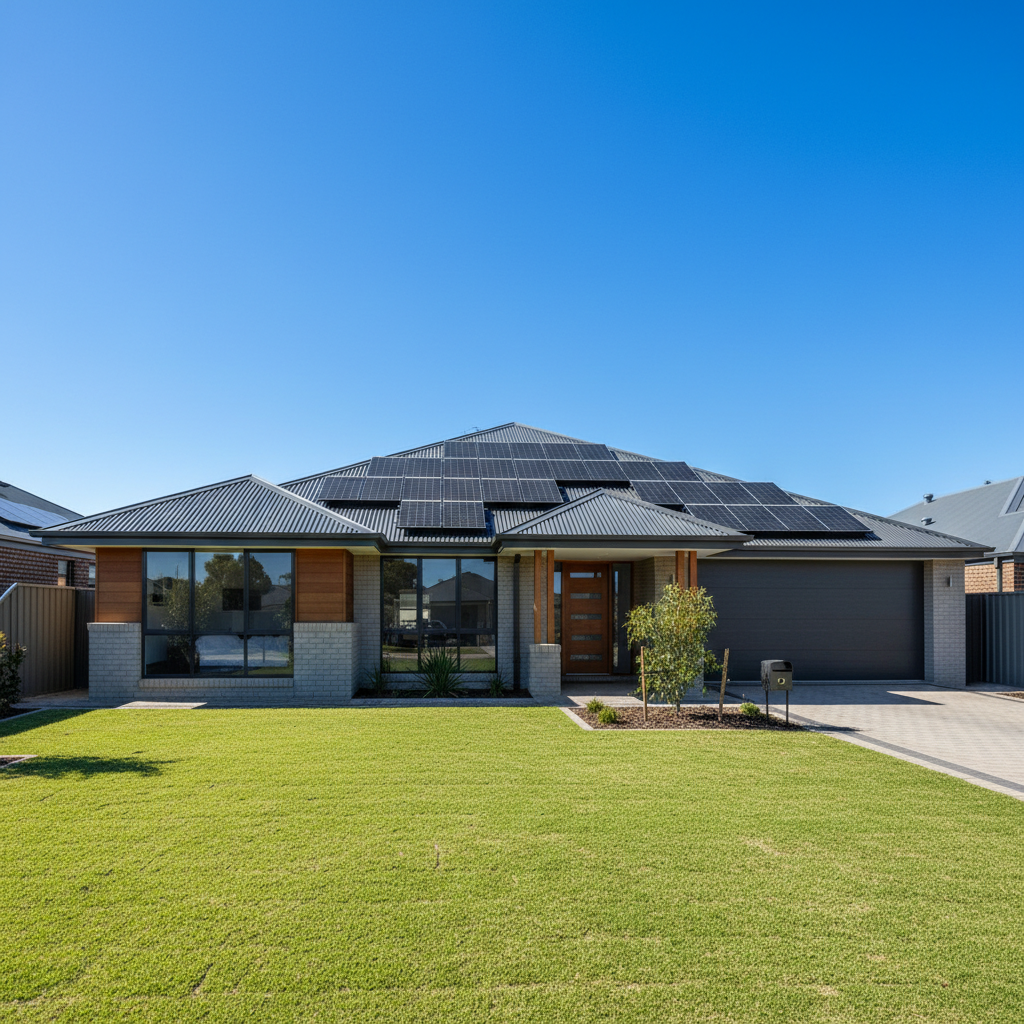
Installing solar panels cuts electricity bills, boosts energy independence, and lowers carbon emissions while increasing property value. By generating your own energy from sunlight, you reduce reliance on traditional power plants that burn fossil fuels, helping to protect the environment. Additionally, modern solar systems are more efficient and affordable than ever, making the installation a smart investment for most homeowners. With advances in battery storage technology, you can store excess energy produced during the day for use at night or during cloudy periods, further enhancing your energy security and savings. This combination of cost savings, environmental benefits, and increased home value makes installing solar panels a compelling choice in today’s climate.
Key Takeaways
- Installing solar panels gives you long-term energy independence, reduces electricity bills, and shields you from rising utility costs.
- A modern residential solar energy system often pays for itself in 3–5 years. Adding battery storage extends payback but delivers greater energy security and lifetime savings.
- Solar systems cut reliance on fossil fuels and significantly lower greenhouse gas emissions, accelerating Australia’s renewable energy transition.
- By mid-2025, Australia’s total solar capacity exceeds 41.8 GW, with rooftop systems alone providing over 26 GW of clean energy generation.
- Combining solar panels with battery systems allows households to store excess energy, increase self-consumption, and access backup power during outages.
Introduction
Electricity prices in Australia remain volatile — especially under new “time-of-use” tariffs that make evening power use more expensive. As of 2026, millions of Australians have turned to solar power to take control of their energy usage and costs.
Installing solar panels — and optionally, a solar energy system with battery storage — is one of the most effective ways to gain energy independence, lower carbon emissions, and save money long term.
In this article, you’ll discover the full benefits of installing solar panels, the economics behind them, and what has changed in the solar landscape since 2020.
Do the Benefits of Installing Solar Panels Still Hold in 2026?
Absolutely — and they’re stronger than ever.
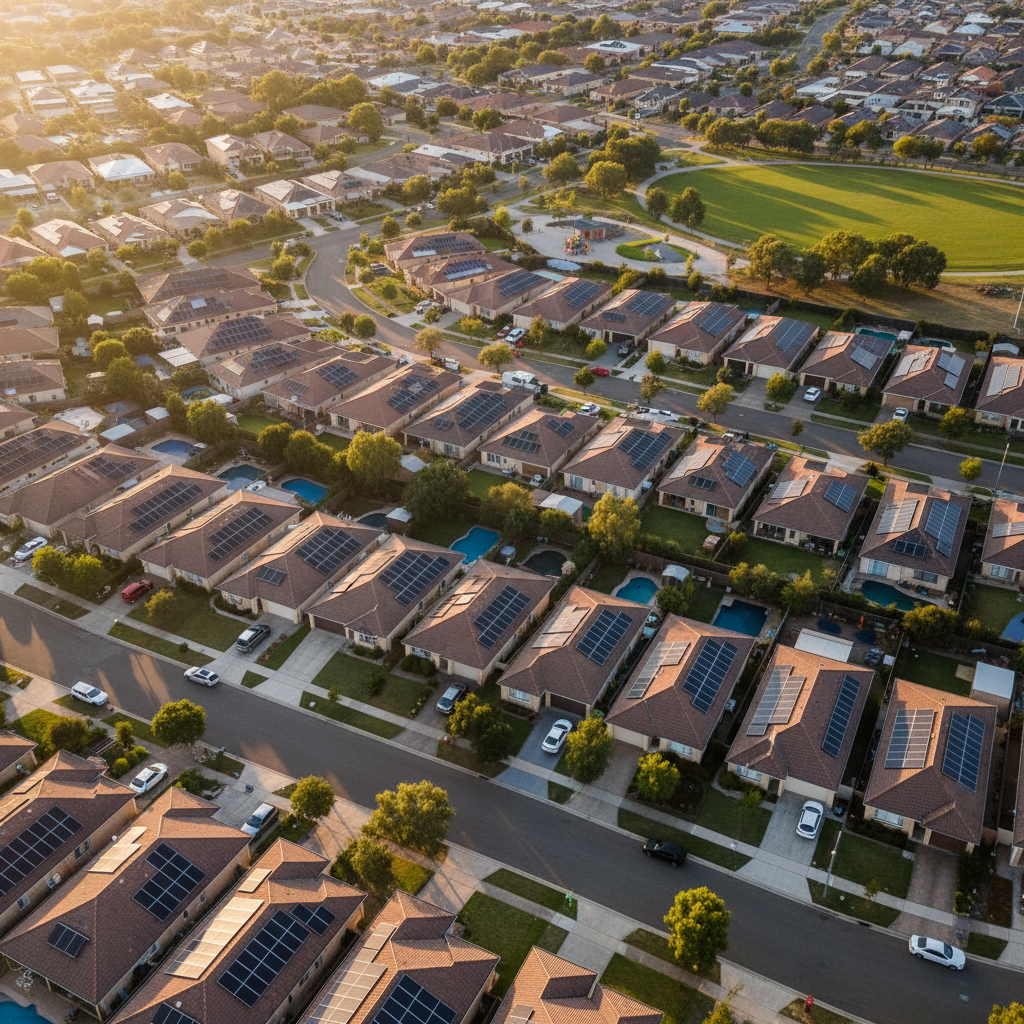
- As of June 2025, Australia’s total installed solar capacity (rooftop + large-scale) exceeds 41.8 GW, with rooftop systems contributing over 26 GW to the grid.
- Rooftop solar now provides roughly 15% of Australia’s total electricity generation, a record milestone for distributed energy.
- Solar is no longer an optional upgrade — it’s a mainstream energy solution delivering tangible household and national benefits.

Major Advantages of Installing Solar Panels
1. Renewable Energy & Environmental Benefits
Solar energy is 100% renewable, producing no greenhouse gas emissions during generation. Replacing grid electricity generated from fossil fuels reduces your household’s carbon footprint by 2–3 tonnes per year. Adopting solar directly supports Australia’s Renewable Energy Target, contributing to national emissions reduction goals.
2. Energy Independence and Resilience
A well-sized residential solar system can generate enough energy to power most of your household’s daily needs.
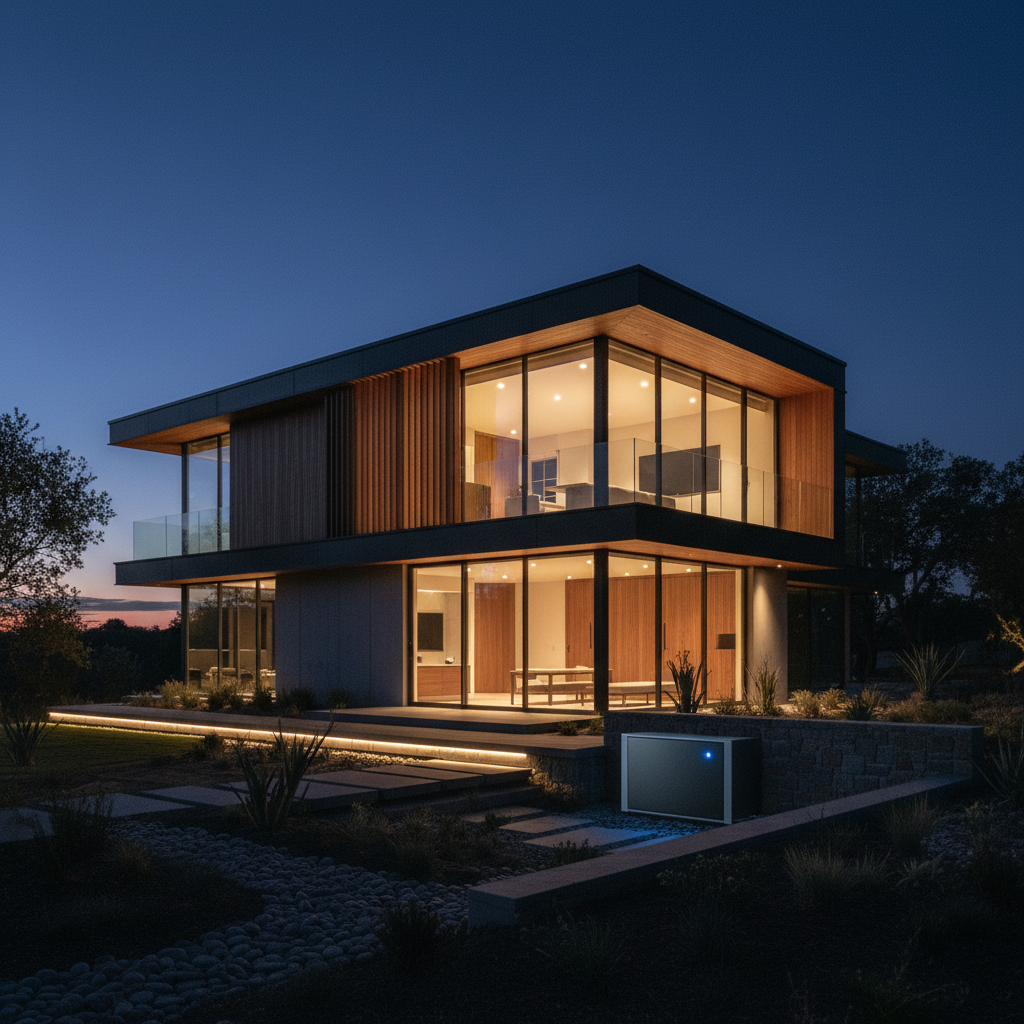
Pairing it with battery storage allows you to store excess energy from daylight hours and use it at night or on cloudy days, reducing grid reliance. Batteries also provide backup power during blackouts, keeping essential lights and appliances running.
3. Cost Savings and Return on Investment
The average upfront cost for a 6.6 kW – 8 kW solar system in 2026 is around A$5,500 – A$8,500, after rebates.
- A solar-only system typically achieves payback in 3–5 years, thanks to reduced electricity bills and government incentives.
- Battery systems extend payback to 7–10 years, but they maximise energy independence, cut exposure to “peak” pricing, and improve lifetime savings through smart load shifting.
(Unsure about your potential savings? You can check our cost calculator for an estimate.)
Over its lifespan, a quality solar energy system can save homeowners A$25,000 – A$35,000 on electricity costs.

4. Protection Against Rising Energy Prices
Electricity in 2026 isn’t just expensive — it’s time-sensitive. Time-of-use tariffs make evening electricity the priciest, while daytime rates are cheaper.
Installing solar panels lets you generate electricity when rates are low and use that power later when rates spike. With a battery, you can store daytime energy and avoid peak charges entirely — a key strategy for long-term savings.
5. Increased Property Value
Homes with installed solar systems typically sell faster and at higher prices. Adding battery storage or a modern inverter system signals energy efficiency, appealing to sustainability-minded buyers. This increased home value makes solar not just a green choice but a financial one.

6. Low Maintenance & Long Lifespan
Solar panels have no moving parts, making them low maintenance and silent in operation. Cleaning panels once or twice a year and checking inverter output ensures maximum efficiency. Quality systems last 20–25 years or more, offering reliable performance with minimal upkeep.
7. Reliable Technology and Modern Battery Options
Battery technology has matured rapidly. New lithium-iron phosphate (LiFePO₄) systems are safer, longer-lasting, and more efficient than ever.
Even though battery systems add to the upfront cost, they’re ideal for:
- Reducing grid reliance under low feed-in tariffs.
- Enhancing self-consumption.
- Protecting against outages.
Australia’s Solar Landscape in 2026
- 4.1 million small-scale systems are now installed nationwide.
- Rooftop solar capacity exceeds 26 GW, supplying nearly 15% of national electricity demand.
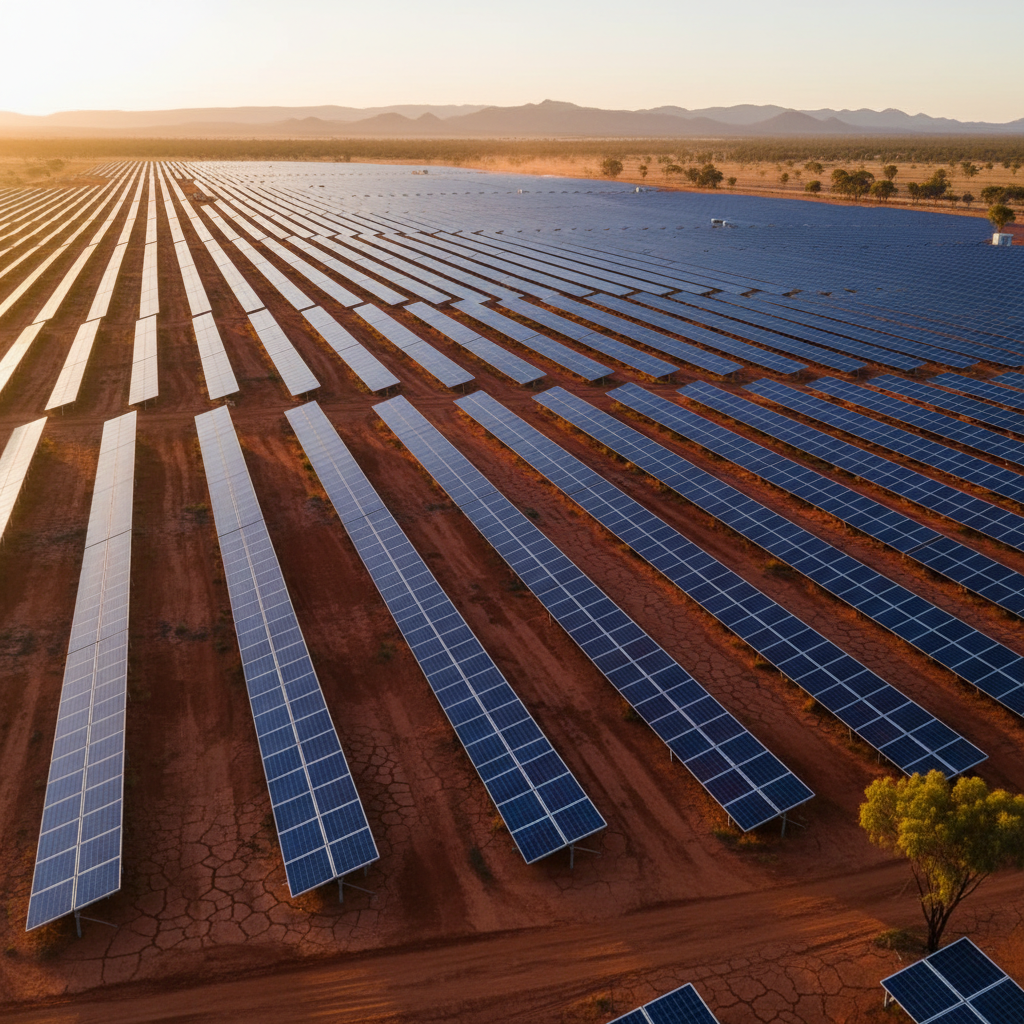
- Combined with large solar farms, total PV capacity tops 41.8 GW — solidifying solar’s role in Australia’s clean-energy mix.
- Residential adoption continues to rise as equipment costs fall and battery storage becomes more mainstream.
The Perth Advantage
Western Australia offers exceptional solar conditions — and some unique rules.
- Perth averages over 5.8 peak sun hours per day, among the highest in the country.
- However, under WA’s Distributed Energy Buyback Scheme (DEBS), export tariffs are very low during midday (2.5 – 3 ¢/kWh) and higher in late afternoon.
This means self-consuming your solar power — by running appliances like dishwashers, pool pumps, and air conditioners during the day — is far more profitable than exporting. A well-designed solar energy system with west-facing panels or a small battery helps capture afternoon sun and maximise DEBS returns.

Considerations Before Installing Solar Panels
- Upfront Cost: Though prices have dropped, initial investment remains significant.
- Roof Suitability: Check your roof type, shading, and orientation for optimal efficiency.
- System Sizing: Oversizing can hurt returns if you export too much at low tariffs.
- Battery Economics: Great for energy independence but slower to pay back.
- Quality Matters: Choose CEC-accredited installers and Tier 1 panels/inverters.

Real-World Example: A Perth Homeowner’s Outcome
A 6.6 kW residential solar system installed in 2023 for A$6,000 now offsets about 75% of annual power usage.
- Annual savings: ~A$1,450.
- Payback: 4.1 years (solar only).
- Adding a battery raised the system cost to ~A$14,000 but lifted self-consumption from 35% → 80%, cutting evening grid use nearly to zero.
While ROI for the full solar + battery setup is roughly 8–9 years, total savings over 20 years exceed A$28,000, plus the comfort of backup power.
Conclusion
Installing solar panels in 2026 remains one of the smartest, most future-proof investments you can make for your home or business.
- Solar-only systems pay off in around 3–5 years and provide decades of free energy.
- Adding a battery extends ROI but offers unmatched energy independence, especially under evolving tariff structures.
With over 4 million Australian households already powered by solar and a 26 GW rooftop capacity, the momentum is undeniable.
For Perth homeowners, the combination of high sunshine levels and low export tariffs makes now the perfect time to invest — especially if you design your system for maximum self-consumption.
Ready to start saving? Contact us today to discuss a custom solar solution.
FAQ’s:
What are the advantages of using solar panels?
Solar panels offer numerous advantages, including providing a clean, renewable source of energy that produces no greenhouse gas emissions during operation. They help reduce your household’s carbon footprint by cutting reliance on fossil fuels and traditional power plants. Solar panels can significantly lower electricity bills by generating your own energy from sunlight, offering substantial cost savings over time. They also increase energy independence, reducing reliance on the grid and protecting against rising energy prices. Additionally, solar panels can increase your property value, require low maintenance, and have a long lifespan, typically lasting 20–25 years or more. When paired with battery storage, they provide backup power during outages and enable energy use at night or on cloudy days.
Is it beneficial to install solar panels?
Yes, installing solar panels is beneficial for most homeowners. They provide long-term savings on electricity bills and contribute to environmental protection by reducing carbon emissions. Solar systems increase home value and provide greater energy security and independence, especially when combined with battery storage. Advances in solar and battery technology have made solar systems more efficient and affordable, making them a smart investment in 2026 and beyond.
What are 5 advantages of solar?
- Solar energy is renewable and clean, producing no greenhouse gas emissions during operation.
- Solar panels reduce electricity bills and protect against rising energy prices.
- Installing solar panels can increase home value and marketability.
- Solar panels require low maintenance and have a long lifespan.
- Solar systems provide energy independence and resilience, especially when paired with battery storage.