
If your system is not producing energy or your electricity bill has suddenly increased, it is natural to ask why your solar inverter is not working. For many solar owners, inverter issues appear without warning but most solar inverter problems follow clear, repeatable patterns.
This guide explains the most common solar inverter problems, what to check safely yourself, and when professional help is required. It is based on fault trends regularly seen by Vista Electrical Controls across Perth and Regional Western Australia.
Key Takeaways
- A solar inverter is designed to shut down to protect your solar power system and the grid
- Error codes, warning lights, and inverter display messages provide the first clues
- Heat, grid voltage issues, and faulty installation cause most inverter faults
- Inverters typically last 10 to 15 years, with lifespan strongly affected by environment and maintenance
How a Solar Inverter Works
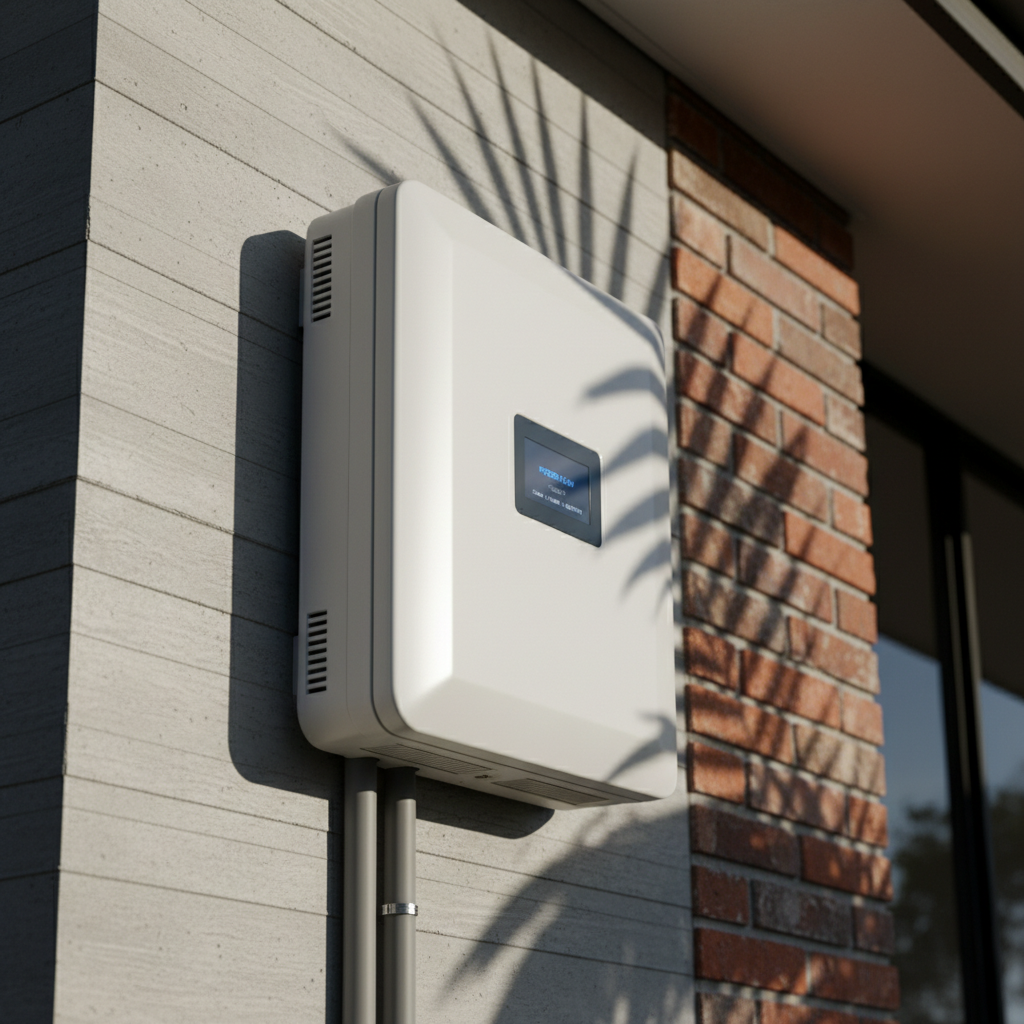
A solar inverter converts direct current electricity generated by solar panels into alternating current that powers household appliances and feeds the grid. It also manages voltage levels, safety isolation, and power output through maximum power point tracking.
A solar inverter working properly should:
- Deliver stable AC output
- Track maximum power efficiently
- Stay connected to the grid under normal conditions
- Display normal operating status on the inverter screen
When these conditions are not met, solar inverter problems occur.
Most Common Solar Inverter Problems
1. Grid Voltage and Grid Faults
One of the most frequent causes of inverter issues is grid voltage outside acceptable limits.
Common symptoms:
- Inverter shuts off during peak sun hours
- Error codes referencing grid fault
- Intermittent shutdowns or random shutdowns
In Perth, high solar penetration often leads to high voltage during the middle of the day. Most inverters are designed to disconnect automatically when voltage exceeds limits to prevent damage. Additionally, Emergency Solar Management (ESM) in Western Australia can remotely shut down solar systems during periods of extreme low demand to maintain grid stability. If your inverter shuts down due to ESM, it is not broken but complying with grid operator instructions.
2. Tripped Circuit Breakers and DC Isolators
If circuit breakers or DC isolators trip, the inverter cannot produce power.
Check:
- AC circuit breakers in the main switchboard
- DC isolators near the inverter
- Signs of short circuit or electrical surges
Repeated tripping usually indicates faulty installation or failing electrical components and should not be ignored.
3. Error Codes and Warning Lights
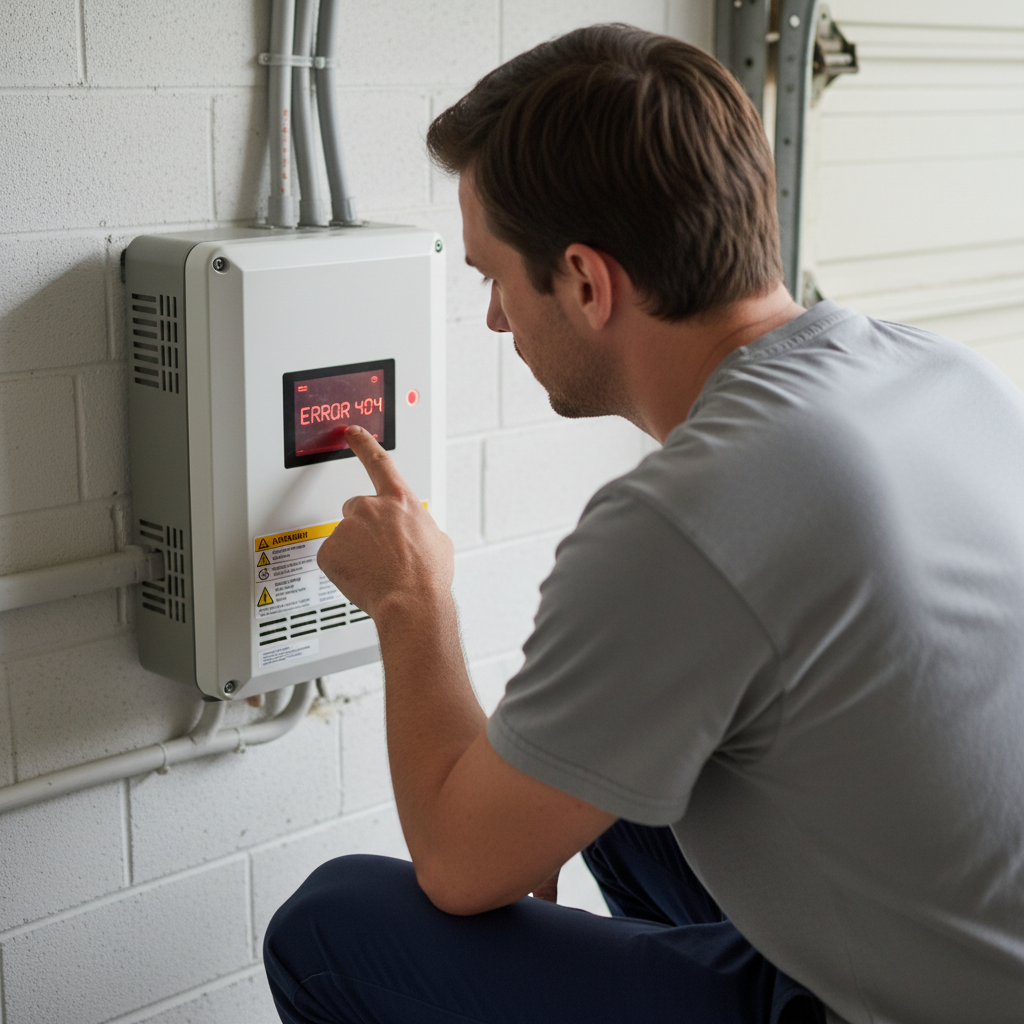
Modern inverters self-diagnose faults and display error codes or a fault code on the digital screen or display panel.
Warning signs include:
- Red light or flashing red light
- Orange light
- Isolation alarm
- Inverter display showing unfamiliar codes
Always record the fault code and refer to the inverter manual. Ignoring warning lights can lead to more serious damage.
4. Isolation Faults and Ground Faults
An isolation fault or ground fault occurs when electricity leaks from DC cables to earth.
Common causes:
- Moisture ingress after heavy rain
- Damaged DC cables
- Dust buildup combined with humidity
- Degraded internal components
If the inverter displays an Isolation Fault or there is visible physical damage, contact a local specialist immediately.
5. Overheating and Temperature Shutdowns
Overheating is one of the leading causes of solar inverter failures.
Important points:
- Average inverter lifespan is 10 to 15 years
- String inverters typically last 10 to 15 years
- Microinverters can last 20 to 25 years
In Perth, extreme summer heat can cause inverters to reduce power output or shut down entirely to protect electronics. Inverters installed in direct sunlight or with poor ventilation are especially vulnerable.
Signs of overheating include:
- Reduced power output
- Inverter shuts down in the afternoon
- Maximum operating temperature warnings
6. MPPT and Power Tracking Issues
Maximum Power Point Tracking uses MPPT algorithms to optimise electricity generated from solar panels.
MPPT faults can result in:
- Low performance
- Reduced maximum power
- Erratic behavior or fluctuating power output
These issues may stem from shading, faulty DC input, incorrect inverter capacity, or wiring problems.
Signs Your Solar Inverter Is Failing
Common indicators that a solar inverter fails include:
- Complete lack of power output
- Inverter screen blank or frozen
- Unusual sounds such as buzzing, humming, clicking, or strange noises
- Inverter not restarting after a power outage
- Noticeable drop in energy production
- Inverter shutting down frequently for no apparent reason
If the inverter is not responding or shutting down randomly, it is a red flag that requires investigation.
Power Outage vs Inverter Fault
If there is a power outage, grid-tied inverters must shut down by law. This is normal.
If power returns but the inverter is not producing power:
- Check whether the rest of the house has power
- Inspect the inverter display for error codes
- Confirm circuit breakers have not tripped
Hybrid inverters may behave differently depending on configuration.
Installation and System Design Issues
Faulty installation significantly affects inverter lifespan and reliability.
Common installation-related issues:
- Incorrect inverter capacity selection
- Poor ventilation or mounting location
- Incorrect voltage settings
- Poor DC cable termination
Most inverter faults traced in the field are linked to installation quality rather than manufacturing defects.
Solar Inverter Troubleshooting Checklist
Before calling solar electricians, you can safely:
- Check the display panel for error codes
- Refer to the inverter manual for guidance
- Perform a power cycle if recommended
- Check circuit breakers and fuses
- Ensure ventilation is clear and fans are operating
- Confirm solar panels are clean and not shaded
Never open the inverter. High voltage DC remains present even when the system is off.
When to Call a Professional
Contact CEC accredited solar electricians if:
- Error codes persist after reset
- Isolation fault or grid fault repeats
- Circuit breakers trip repeatedly
- The inverter shows a red light consistently
- The system shows ongoing low performance
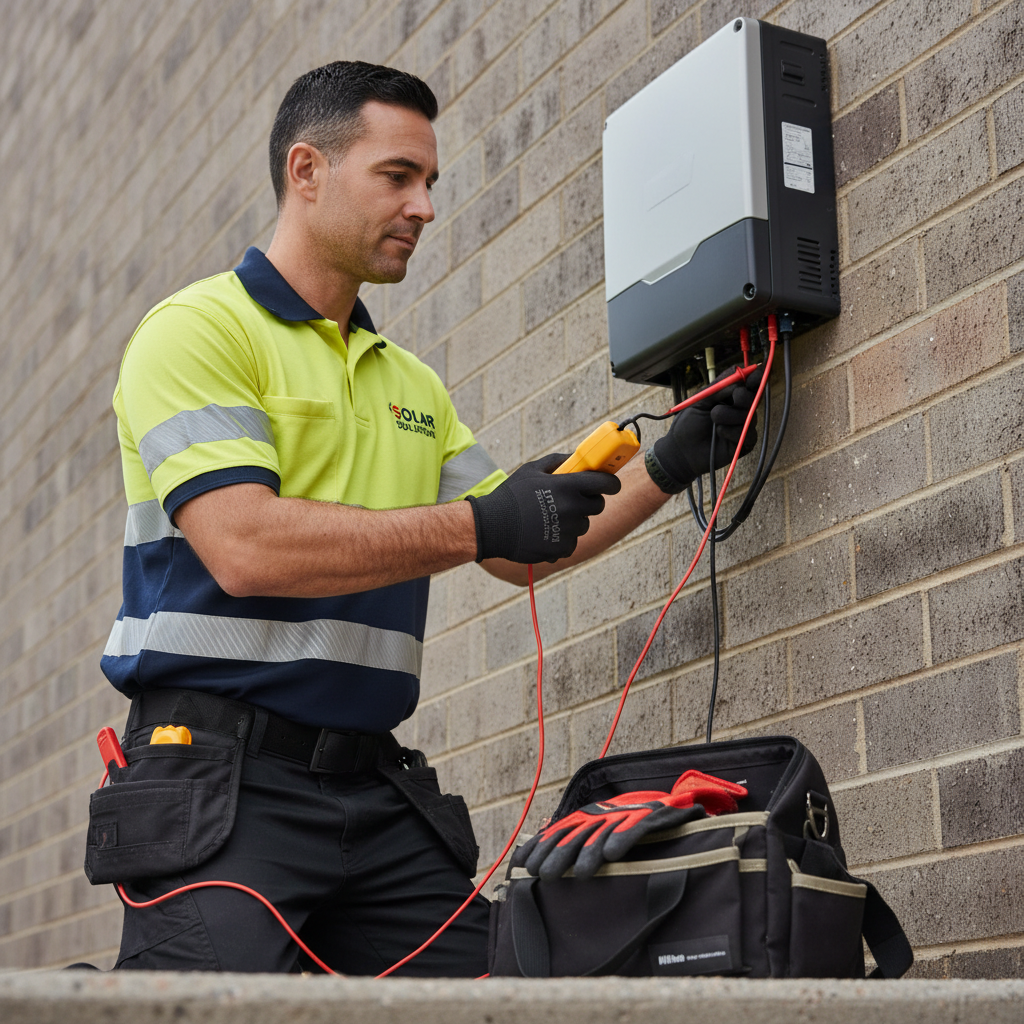
Certified technicians can safely test DC voltage, AC output, and internal electrical components.
Maintenance, Lifespan, and Replacement
Regular maintenance helps extend inverter life:
- Visual inspections for corrosion or damage
- Cleaning vents to prevent overheating
- Firmware updates to improve performance
If your inverter is over 10 years old and frequently malfunctioning, replacement should be considered. Even if still working, budgeting for replacement after 10 years is wise due to declining efficiency and rising repair costs.
Conclusion
Most solar inverter problems are protective responses to heat, voltage fluctuation, or electrical faults rather than permanent failures. Understanding error codes, monitoring energy production, and maintaining ventilation can prevent many issues.
If your solar inverter is not working or producing less energy than expected, early investigation is critical. Prompt professional diagnosis helps protect your solar system, maintain peak performance, and avoid costly downtime in Perth’s demanding conditions.