
Getting the right size solar system is one of the most important decisions you’ll make when going solar in Perth. Solar panels are a long-term investment — choose too few panels and you’ll miss out on savings; install too many solar panels on a small roof and you’ll export solar power at very low rates. The good news? Perth’s solar power potential is among the best in Australia — around 5.5 peak sun hours per day — so even a modest array of solar panels can deliver a strong payback period and significantly cut your electricity bills.
This guide compares the most common residential solar system sizes in Perth, starting with the benchmark 6.6kW setup, so you can choose with confidence. The right size varies depending on your electricity usage, roof space, inverter capacity requirements, and whether you plan to add battery storage.
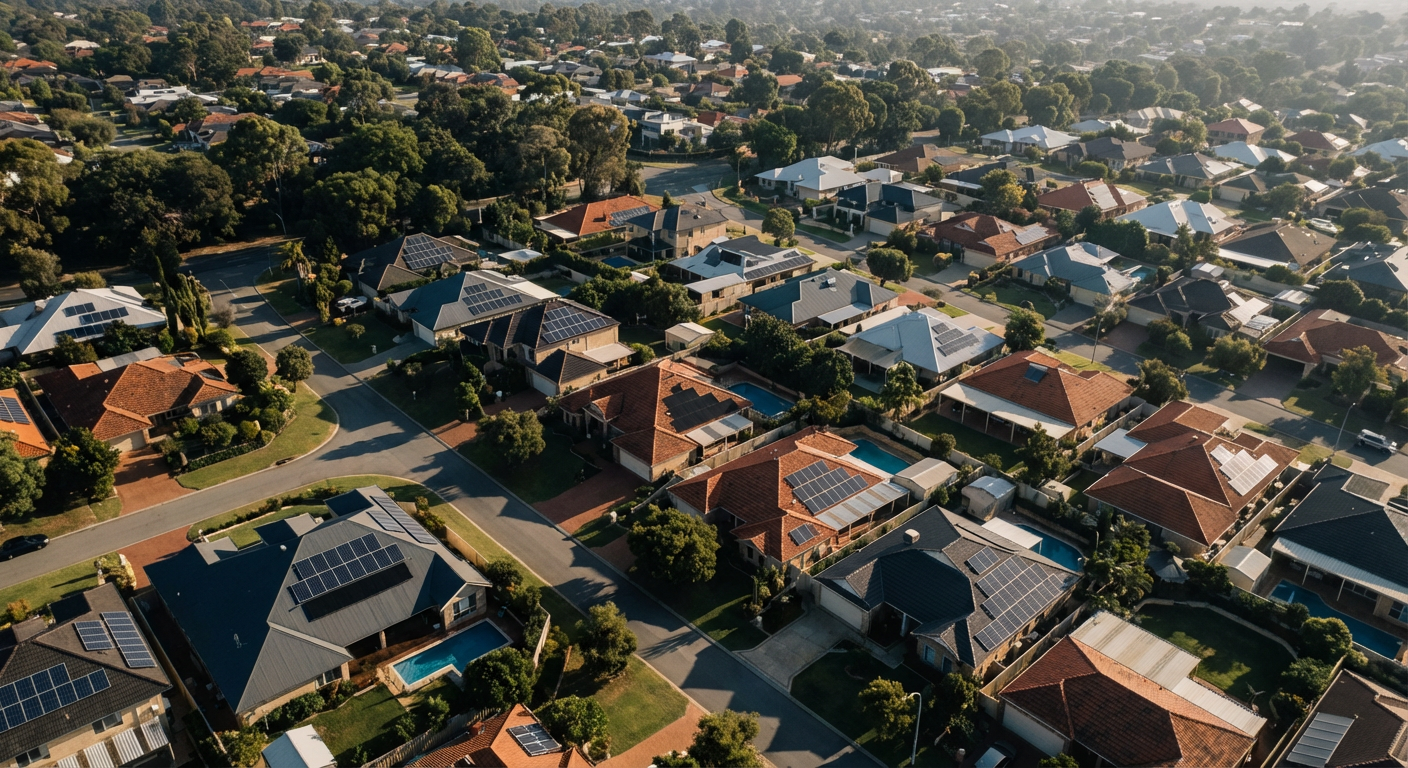
Step 1: Know Your Electricity Usage
Before sizing a solar system, start with your electricity bills. Review the past three to four bills and calculate your average daily consumption in kWh. Electricity usage in Perth homes typically ranges from 15 kWh per day for a small household to 45+ kWh for a large family with high-demand appliances.
As a general guide:
- Under 20 kWh/day — 1–2 person household, modest energy usage
- 20–30 kWh/day — 3–4 person household, average energy needs
- 30–45+ kWh/day — large family, pool, EV, or high daily consumption
Your energy usage patterns matter as much as the daily total. Households that consume more energy during daylight hours — running dishwashers, washing machines, pool pumps, or air conditioning — capture more value from solar panels through direct self consumption. Households with usage concentrated in the evenings benefit more from pairing solar panels with a battery to use stored solar energy at night.
The goal is to size your solar panels so they generate roughly what you consume — maximising direct daytime use and minimising exports, which attract a low feed in tariff rate under Synergy’s Distributed Energy Buyback Scheme (just 2 cents per unit off-peak).
Step 2: Understand Your Roof Space
How many solar panels your roof can accommodate is the other key constraint on system size. Modern solar panels measure approximately 1.7m × 1.0m — around 1.7–1.8 square meter each. The installation process always starts with a roof assessment, because orientation, pitch, and shading all affect how many solar panels can be installed productively.
North-facing solar panels at a 20–30° pitch deliver the best annual energy output in Perth. East- and west-facing roofs can still host solar panels effectively — they just produce more energy in the mornings and afternoons respectively rather than at solar noon. A good solar installer will design your panel array to work with your actual roof layout, not just the ideal scenario.
Roof space required for each configuration:
- 6.6kW setup: approximately 34–38 square meter (16–20 solar panels)
- 10.5kW setup: approximately 50–58 square meter (23–27 solar panels)
- 13.2kW setup: approximately 62–72 square meter (30–34 solar panels)
Shading is the single biggest factor affecting a solar system’s output after location. Even partial shading from a chimney, TV antenna, or tree can reduce energy production significantly — particularly with string inverter setups where shading on one panel in a series can drag down the power output of the entire panel array. If your roof has unavoidable shading, your solar installer may recommend microinverters or DC power optimisers, which allow individual solar panels to perform at their maximum power independently.
How much usable rooftop area is available at your address? Vista Electrical Controls provides a free site assessment as part of the installation process, evaluating your roof’s orientation, pitch, and shading to confirm how many solar panels can be installed and what output to expect. Learn more about how our Perth installation process works.
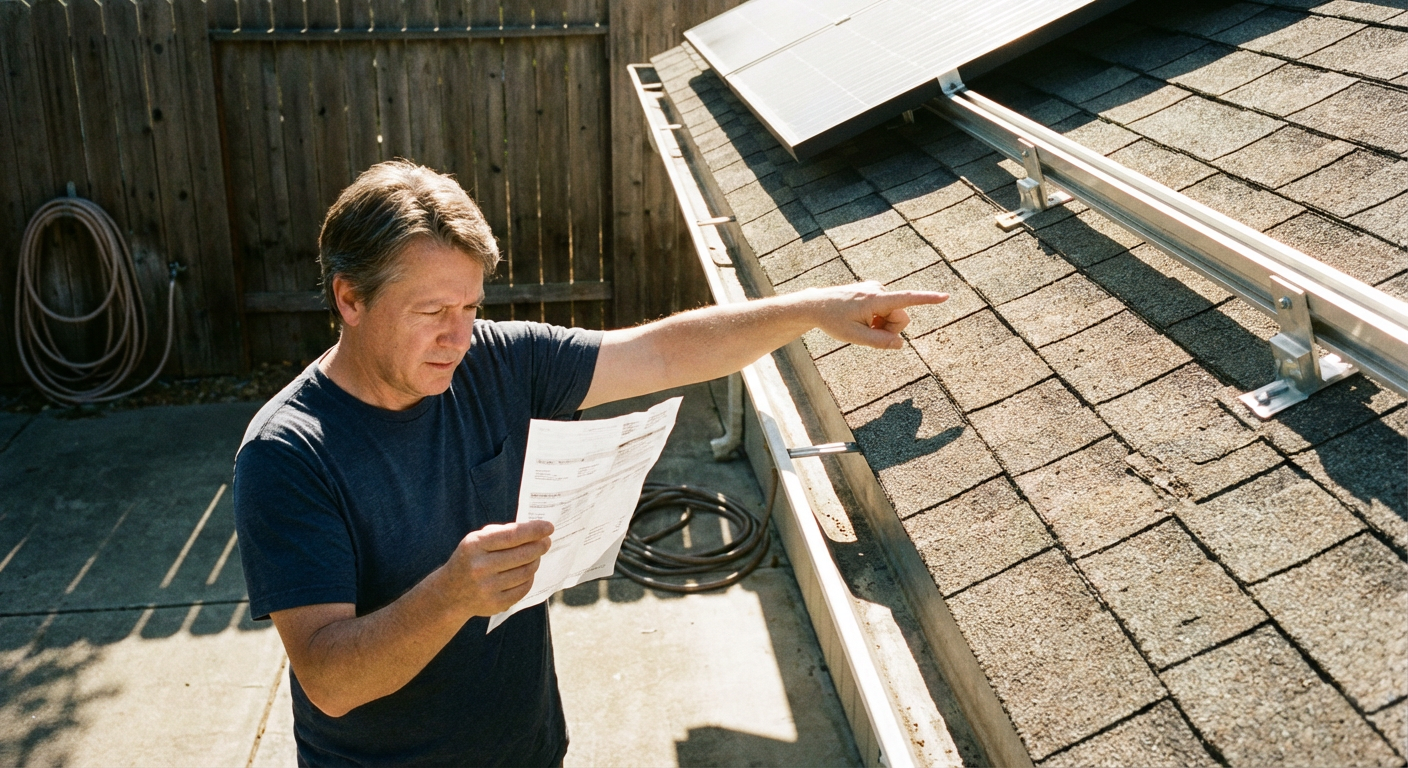
Comparing Solar System Sizes in Perth
Vista’s solar system packages are available in three popular sizes, matched to the most common electricity usage profiles across Perth. Here’s how the panels, output, and suitability vary.
6.6kW Solar System — Perth’s Most Popular Choice
The 6.6kW solar system is consistently the most popular solar installation size in Perth — and across Western Australia. With 16–20 high-efficiency solar panels across approximately 34–38 square meter of north-facing roof, this setup generates around 26–29 kWh per day and roughly 9,000 kilowatt-hours per year in Perth’s conditions.
How many panels exactly? Using modern 400W solar panels, a 6.6kW system requires 16–17 panels. With older 330W solar panels, you’d need 19–20 panels for the same capacity. Either way, the system’s output and energy production are equivalent — panel efficiency simply determines how many solar panels occupy your roof to generate the same kW of power.
The 6.6kW setup is well suited to 3–4 person households with electricity bills of $300–$600 per quarter. The standard configuration pairs the panel array with a 5kW inverter — a common Australian setup where the solar panels slightly exceed inverter capacity to produce more energy during partial cloud cover. This keeps costs down while maximising annual generation. The inverter quality from manufacturers like Sungrow, Huawei, and Fronius means modern setups include built-in monitoring so you can track the system’s output and efficiency in real time.
Vista’s 6.6kW solar system starts from $3,799 after the federal solar rebate (applied as small scale technology certificates at point of sale by your solar installer). The upfront cost includes premium solar panels from Jinko Solar, JA Solar, or Risen Energy — all quality brands on the Clean Energy Regulator’s approved list. Solar finance with $0 upfront is available, and most Perth households achieve a payback period of 3–5 years with annual savings of $1,500–$2,000.
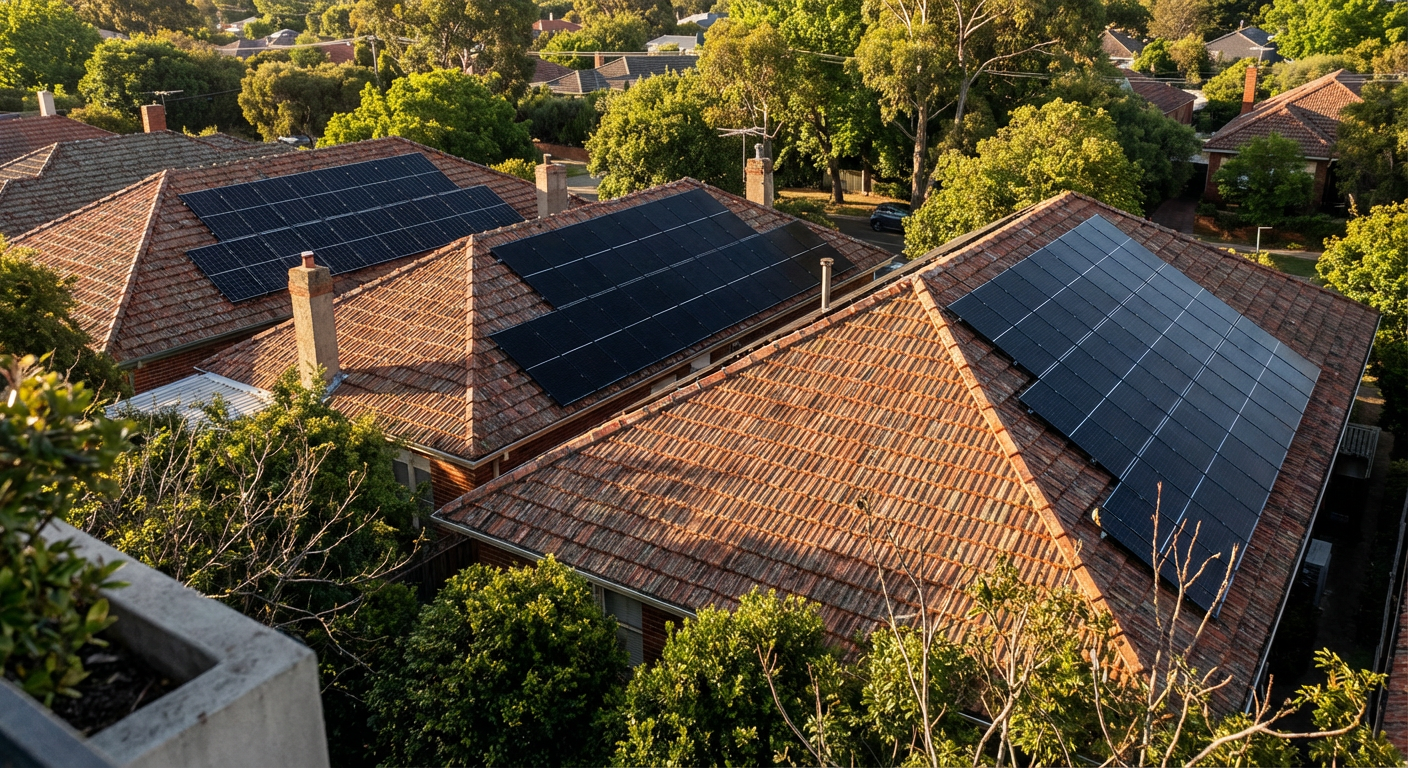
10.5kW Solar System — For Higher Energy Usage
If your household uses more than 30 kWh per day — a large family, pool, EV, or high-usage appliances — the 10.5kW solar system delivers significantly greater energy production without jumping to the largest available option. With 23–27 solar panels spread across approximately 50–58 square meter, the 10.5kW system generates around 42–48 kWh per day in Perth and up to 15,000 kilowatt-hours per year.
This configuration suits homes with electricity bills of $500–$1,000 per quarter. The greater power output means more solar energy stored in a battery on high-generation days, and greater direct use for high-demand households. The 10.5kW setup typically pairs with an 8kW or 10kW inverter — larger inverter capacity is needed to handle the greater power output from the solar panels without clipping.
Vista’s 10.5kW setup starts from $6,699 after rebates, with solar finance available. The stronger energy output delivers faster annual savings for high-usage homes, though the payback period is similar to the 6.6kW setup (3–5 years) given the proportionally higher upfront cost.
13.2kW Solar System — Maximum Generation for Large Homes
The 13.2kW solar system is designed for Perth’s highest-consumption households — those using 40+ kilowatt-hours per day, often with multiple air conditioners, electric heating, a pool, or an EV charging setup. With 30–34 solar panels requiring roughly 62–72 square meter of usable roof, this configuration can generate 55–62 kWh of energy per day in Perth and around 18,000–20,000 kilowatt-hours per year.
Performance at this scale demands a quality inverter — typically a 10kW or larger unit — with monitoring capabilities to track the output and efficiency of all panels. This larger configuration is also the strongest foundation for home battery storage, generating enough daily surplus energy to fully charge a 10–20 kWh battery even on lower-sun days. Vista’s 13.2kW solar system starts from $8,099 after rebates. Compare solar finance options on our residential solar systems page.
Does a 6.6kW System Do Enough? Feed-In Tariff vs Self Consumption
For many Perth households, the 6.6kW solar system is enough — but the answer can vary depending on energy usage patterns and whether battery storage is in the plan.
With Synergy’s feed in tariff rates sitting at just 2 cents per kWh for off-peak exports (and 10 cents during peak 3–9pm hours), the financial case for solar panels now depends heavily on direct self consumption. Every unit of solar energy you use directly in your home saves you the full electricity rate — around 29–30 cents per unit for most Perth customers in 2026. Exporting it returns just 2 cents. That makes direct use of solar energy roughly 15× more valuable than grid export.
Electricity rates can vary depending on your plan and electricity provider, but the gap between what you pay per kWh and what you receive as a feed in tariff makes maximising direct energy use the primary goal of sizing your solar panels correctly in Perth.
If your household uses most energy at night, a 6.6kW setup paired with a home battery will outperform a larger standalone solar system. If you have high daytime energy usage (appliances, pool pump, air conditioning), the 6.6kW setup may generate more than enough solar energy for daytime needs while also producing surplus to store for later.
Explore battery storage options and sizing at Vista’s solar batteries Perth page, including eligible systems under the WA Residential Battery Scheme.
Rebates, Quality, and Choosing the Right Installers
All three solar system sizes attract the federal solar rebate through small scale technology certificates (STCs) — reducing the upfront cost of panels and installation at the point of sale. In Perth (STC Zone 3), a 6.6kW solar system generates approximately 46 STCs in 2026, worth around $1,700–$2,000 off the system price. The rebates are proportionally higher for larger systems.
Beyond rebates, system quality and the experience of your installers significantly affect long-term energy production and the system’s performance. When comparing quotes from solar installers in Perth, check that:
- Installers are accredited through Solar Accreditation Australia (SAA) — the benchmark for installer quality in Australia and a legal requirement for STCs
- Installers use panels and inverters from quality brands on the approved list — not low-grade imports
- Installers provide a monitoring platform to track energy output, efficiency, and system alerts over time
- Installers handle grid connection paperwork on your behalf (Western Power applications, DEBS registration)
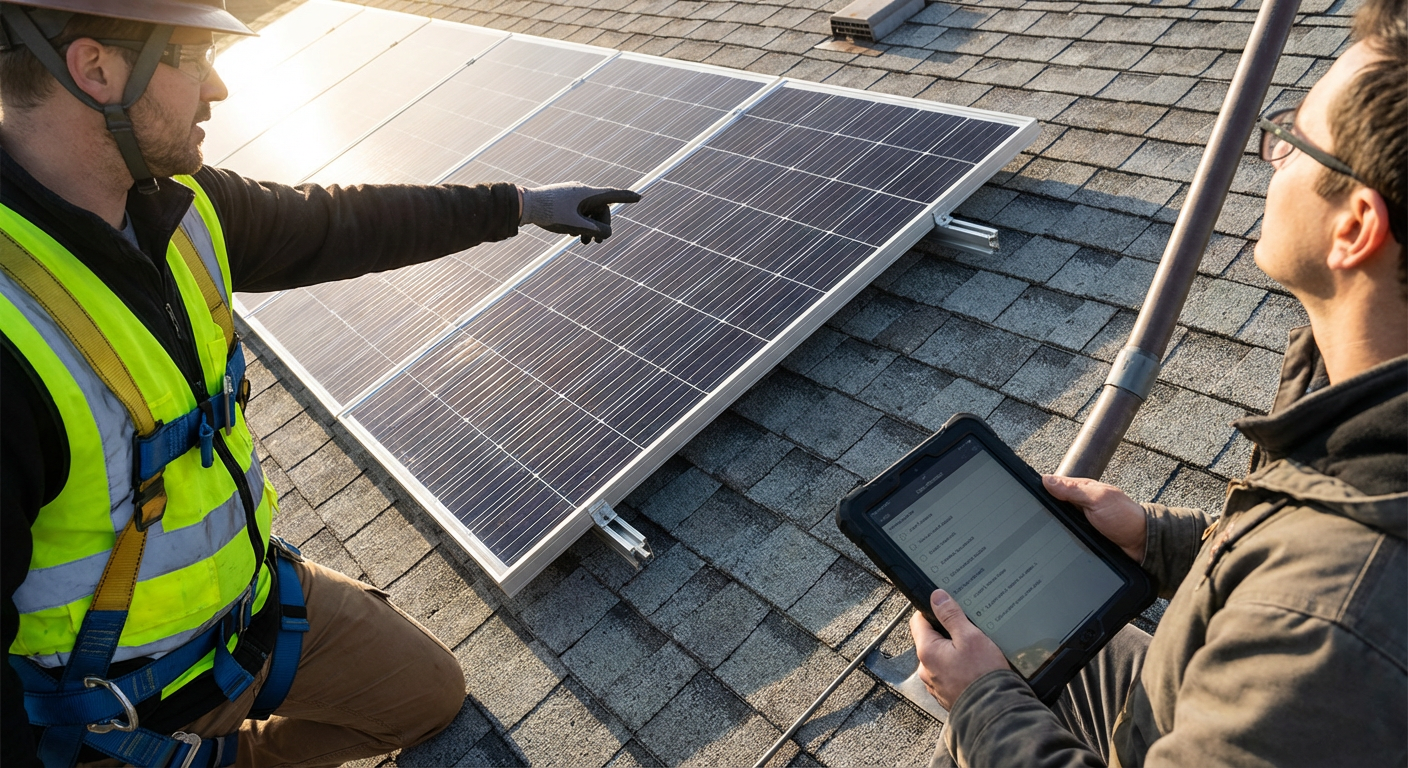
- Installers carry out a proper roof assessment before quoting — not just a phone estimate
Panel efficiency, inverter quality, and how well the installation process is executed will vary between providers — and that variation compounds significantly over a 25-year system life. Saving a few hundred dollars on a lower-quality install can cost thousands in reduced energy production and avoidable maintenance calls. Compare quotes from multiple accredited Perth installers before committing. Reputable installers will always give you a better understanding of the expected energy output and payback period for your specific property before you sign.
Ready to Compare Quotes and Get Sized?
The right solar system size for your Perth home will vary depending on electricity usage, roof space, shading, budget, and plans for battery storage. For most households using 20–30 kWh per day, the 6.6kW solar system hits the sweet spot of cost, performance, and payback period. Higher energy users — particularly those in regional areas with higher electricity rates or those adding an EV — will get a better financial return from a 10.5kW or 13.2kW system.
Use Vista’s solar cost calculator for an instant estimate, or read our Perth residential solar installation guide for a deeper look at what the installation process involves. When you’re ready to compare quotes, get a free site assessment and quote from Vista Electrical Controls — we’re SAA-certified, WA-licensed, and have installed solar systems across Perth since 2018.