
If you’ve been putting off going solar because of the upfront costs, 2026 could be the year that changes everything. Between interest free government loans, federal solar rebates, the WA battery rebate, and flexible solar finance plans, installing solar panels — or a full solar and battery system — has never been more accessible to eligible households in Perth. The short answer to the question is yes: you can, in many cases, install solar with $0 upfront in 2026. But the details matter, and this guide breaks down exactly how.
At Vista Electrical Controls, we’ve helped thousands of Perth homeowners access every available rebate and financing option — and right now, the combination of state and federal incentives means eligible households have a genuine path to going solar without paying a cent upfront.
What Does “$0 Upfront Solar” Actually Mean?
Free solar it isn’t — genuine free solar (where you pay nothing, ever) doesn’t exist. But $0 upfront solar is very real. When people talk about installing a solar panel system with no money down, they’re usually referring to one of two things: a solar finance arrangement where you pay off the system over time, or a combination of government rebates that reduce the net cost of your system to the point where it can be funded entirely through a no interest loan.
It’s worth being clear: someone still pays the upfront costs of installing solar panels or a battery — it just doesn’t have to be you, right now. The upfront costs are either absorbed by rebates, covered by an interest free loan, or spread across affordable repayments through a solar finance plan. With the right structure, your loan repayments can be lower than what you’re currently spending on your electricity bill, meaning your solar savings start from day one. Over a standard repayment period, many households save thousands even after accounting for total loan amount paid back.
Let’s walk through each layer of support available to Perth households in 2026.

The Federal Solar Rebate: Small-Scale Technology Certificates (STCs)
The oldest and most established of Australia’s solar incentives, the federal solar rebate has been quietly slashing the cost of solar panels for Perth homeowners for years. Technically, this rebate comes in the form of small-scale technology certificates (STCs) — certificates your solar installer creates and sells on your behalf, with the value passed on to you as an upfront discount on your system.
In 2026, Perth sits in STC Zone 3, which means a standard 6.6 kW solar panel system generates around 46 STCs. With STC values hovering near the $40 cap through the STC Clearing House, that translates to roughly $1,700–$2,000 in instant savings before you’ve even looked at a solar finance plan or battery rebate. The federal rebate applies automatically — your accredited solar installer handles the paperwork, and the discount is built into your quote.
The federal solar rebate is gradually reducing each year until the scheme ends on 31 December 2030, with 2026 using a deeming period of five years. The message is simple: the sooner you install solar panels, the more federal rebate value you lock in. Every year you wait, the federal solar rebate shrinks.
To check real-time STC values and calculate how many certificates your system size qualifies for, the Clean Energy Regulator’s official STC calculator is the most reliable source. Your solar installer — particularly a CEC-accredited solar installer in Perth — should also be able to walk you through exactly what the federal rebate looks like for your system.
The Federal Battery Rebate: Cheaper Home Batteries Program
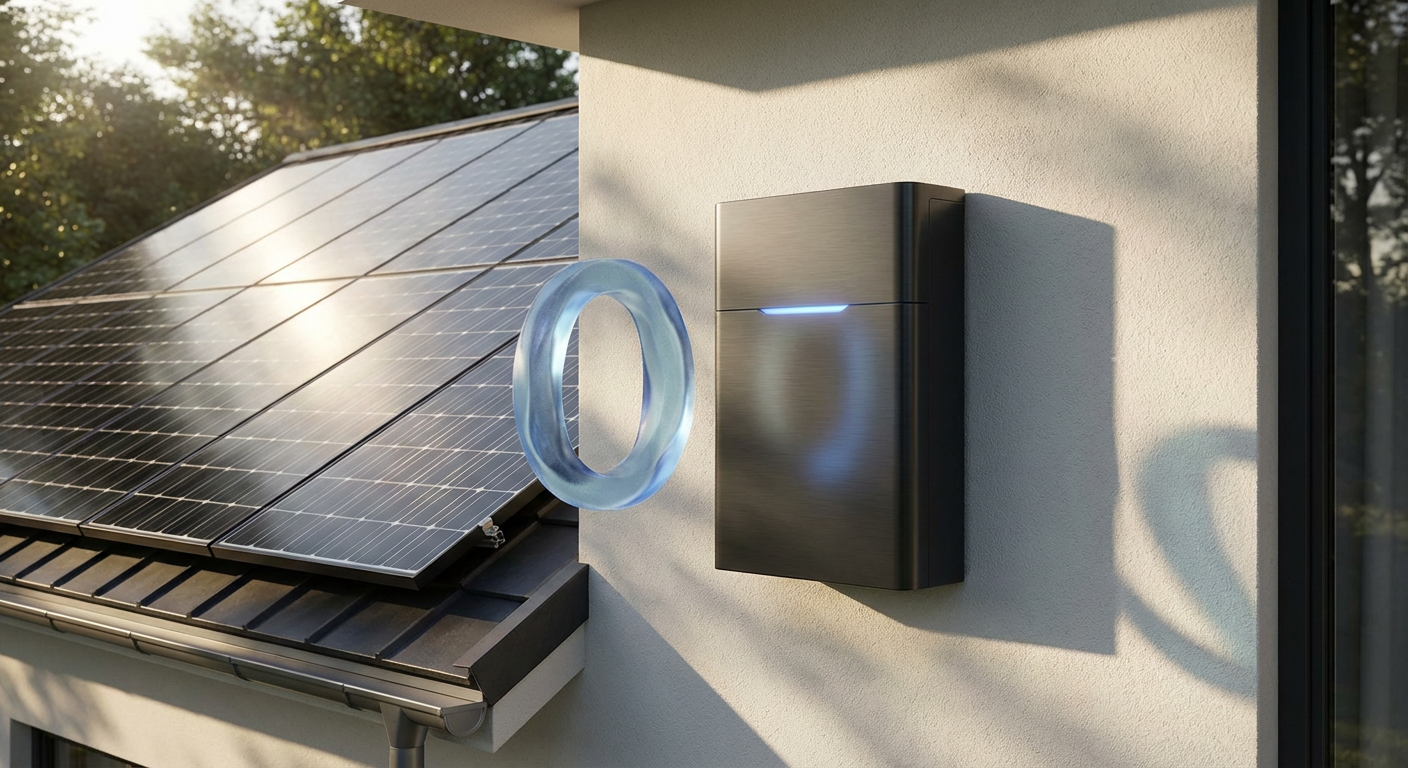
Launched in July 2025, the federal battery rebate has been one of the most transformative programs in Australian energy history. In the months since its introduction, daily battery installations jumped from roughly 200 per day to over 1,500 — and the federal government responded by expanding funding from $2.3 billion to $7.2 billion, enough to support more than two million battery installations by 2030.
The federal battery rebate works through the same small-scale technology certificates framework as the solar STC scheme. When you install an eligible home battery, your solar installer creates and assigns STCs based on the battery’s usable capacity (measured in usable kWh). The result is roughly a 30% discount on the pre-rebate cost of your battery system — applied at the point of sale.
Important Changes from 1 May 2026
If you’re reading this before May 2026, there’s a critical reason to act quickly. From 1 May 2026, the federal battery rebate shifts to a tiered structure based on battery size:
- 0–14 kWh usable kWh: STC factor at 100% (6.8 STCs per kWh usable capacity)
- 14–28 kWh usable kWh: STC factor drops to 60%
- 28–50 kWh usable kWh: STC factor drops to just 15%
Additionally, the rebate calculation will be updated every six months instead of annually, meaning the value of the federal battery rebate steps down more frequently. For households considering larger batteries — say, anything over 14 kWh of usable capacity — installing before 1 May 2026 could mean a substantially larger federal rebate and far lower net system cost.
Batteries must be between 5 kWh and 100 kWh nominal capacity to qualify. The federal battery rebate does not apply to batteries that solely store grid energy — the battery must be paired with a solar panel system, either new or an existing system. The work must also be carried out by a solar installer accredited with Solar Accreditation Australia (SAA).
You can explore battery storage options suitable for the federal rebate on Vista’s solar batteries Perth page, which includes systems from AlphaESS, Huawei, Sungrow, and Fronius/BYD across a range of usable capacity options.
The WA Residential Battery Scheme: State Rebate + Interest Free Loan
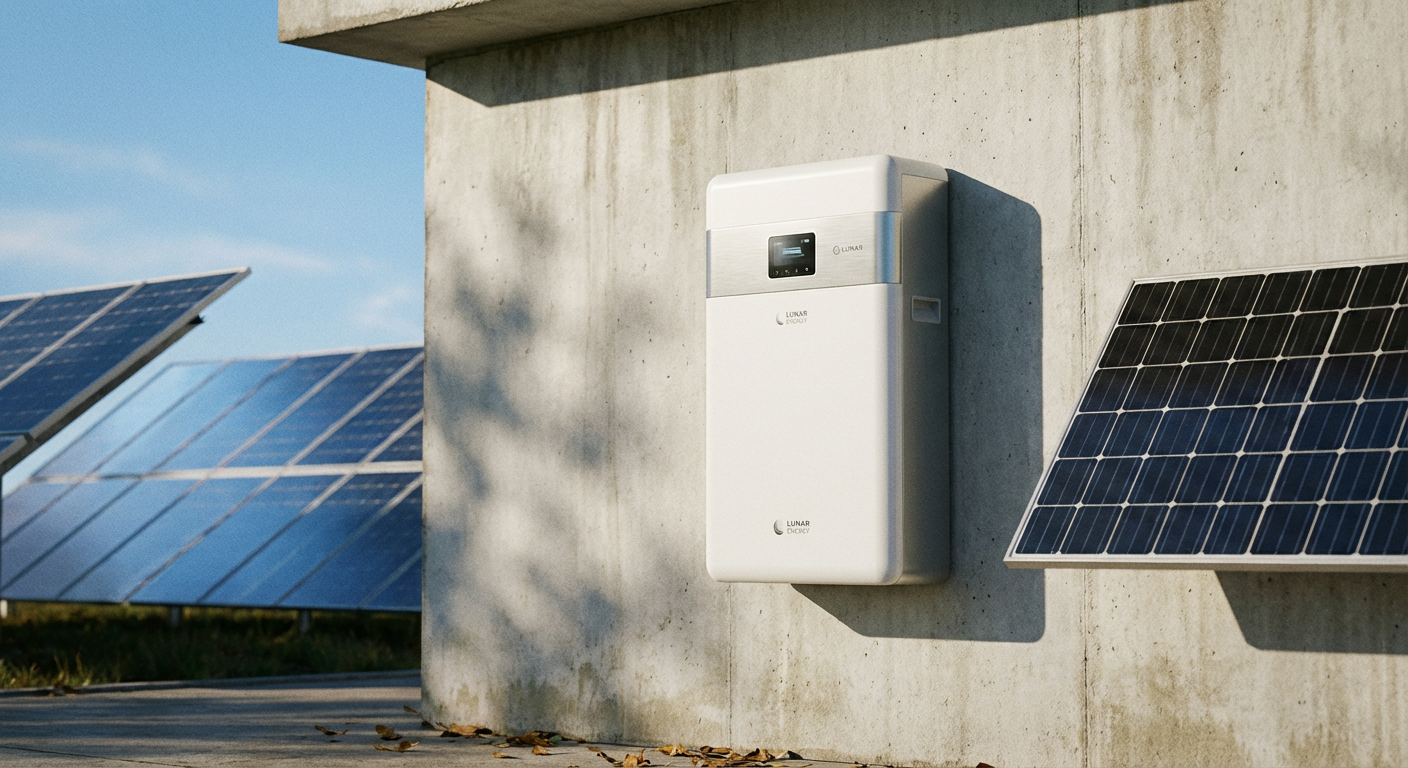
On top of the federal battery rebate, Western Australia has introduced its own WA Residential Battery Scheme — one of the most generous solar battery rebate programs in the country. With $337 million committed by the WA government, this scheme offers eligible households both an upfront rebate and a no interest loan to cover remaining costs.
WA Battery Rebate Amounts
The WA battery rebate is calculated per kWh of eligible battery capacity, up to 10 kWh:
- Synergy customers: Up to $1,300 (at $130/kWh for up to 10 kWh)
- Horizon Power customers: Up to $3,800 (at $380/kWh for up to 10 kWh)
When you stack the WA battery rebate with the federal battery incentive, the combined savings get even more impressive. Eligible Synergy customers in the Perth metro area can access combined support of up to approximately $5,000 on a standard 10 kWh system. Horizon Power customers — who are served by Horizon Power in regional and remote WA — can access combined support of up to $7,500 for the same battery size.
The WA battery scheme support is available for batteries installed on or after 1 July 2025. Batteries installed before this date do not qualify. The scheme is expected to run until 100,000 rebates have been claimed, with availability anticipated through to approximately 2027, though this is not guaranteed.
The No-Interest Loan: Up to $10,000
Alongside the wa battery rebate, the WA Residential Battery Scheme includes an interest free loan of up to $10,000 for eligible households. This is where the $0 upfront promise becomes genuinely achievable for many Perth homeowners.
Key features of the WA interest free loan include:
- Loan amount: Up to $10,000
- Repayment period: Up to 10 years
- Interest rate: 0 interest — the loan is fully interest free for the entire term
- No security or guarantee required against the loan
- Credit check: Required — administered by Plenti under an Australian Credit Licence
- Household income: Must be under $210,000 gross annual household income
The interest free loan can be used for batteries, inverters, and solar panels — as long as they’re installed alongside a battery. This means for many households, the WA no interest loan can cover the gap between the rebates and the total system cost, resulting in genuinely $0 upfront solar and battery installation.
It’s important to note that the no interest loans are separate discounts from the rebate itself. You can receive both — the rebate reduces your pre-rebate cost, and the interest free loan covers the balance, so you repay the same amount you borrowed with no interest charged over the repayment period.
Virtual Power Plant (VPP) Requirement: What You Need to Know
To access the WA battery rebate, eligible households must participate in an approved virtual power plant VPP program. This is not optional — it’s a condition of the scheme.
A virtual power plant VPP is a network of home batteries managed by an electricity provider or approved VPP operator. When there’s high demand on the grid, the virtual power plant aggregates stored energy from participating batteries and dispatches it to support the network. In return, participants typically receive credits on their electricity bill or other incentives.
Participation in an approved VPP does not mean you lose control of your battery. Your battery still charges from your solar panel system during the day and powers your home as normal. The VPP operator can only access a portion of your battery’s stored energy during specific events, and these events are limited and managed carefully.
From 1 May 2026, all new rooftop solar and battery systems installed in the South West Interconnected System (SWIS) must also comply with updated technical standards — changes designed to support smarter grid integration and broader participation in virtual power plant programs. If your solar system was installed prior to this date, it may need a technical upgrade to be compatible with an approved VPP and the WA Residential Battery Scheme.
Households that do not wish to participate in a virtual power plant are still free to install home batteries — they simply won’t be eligible for the WA battery rebate or the interest free loan. The federal battery rebate through STCs, however, does not require VPP participation.
Synergy Customers vs Horizon Power Customers: Key Differences
Your electricity provider matters significantly when it comes to both the solar battery rebate amount and the feed in tariffs available to you.
Most Perth metro and south-west WA residents are Synergy customers. Synergy customers accessing the WA Residential Battery Scheme receive a solar battery rebate of up to $1,300 and participate in the Distributed Energy Buyback Scheme (DEBS) for their excess solar export. Under DEBS, Synergy customers currently receive:
- 10 cents per kWh exported between 3pm and 9pm (peak)
- 2 cents per kWh exported outside peak hours
Horizon Power customers — those in regional and remote Western Australia — are eligible for a much larger WA battery rebate of up to $3,800, reflecting the higher cost of electricity infrastructure and batteries in remote areas. Horizon customers also receive a feed in tariff rate of 10 cents/kWh during peak hours and 3 cents/kWh at off-peak times.
Because feed in tariffs for new systems are relatively low — particularly during the middle of the day when solar generation peaks — the real financial value of solar panels has shifted toward self-consumption. Using your solar energy directly in your home (for appliances, electric heating, an ev charger, or charging your battery) is far more valuable than exporting it at 2 cents per kWh. This is another reason why pairing batteries with solar panels makes so much financial sense in 2026.
Solar Finance: 0% Interest Payment Plans for Solar Panels
Even for households that don’t qualify for the WA Residential Battery Scheme’s interest free loan — or who want to finance a standalone solar panel system without a battery — there are solar finance options available that allow you to install solar with $0 upfront.
Vista Electrical Controls offers solar finance plans that let you spread the cost of your solar system over time, with flexible terms and no deposit required. On our residential solar systems page, all packages include $0 upfront financing as a standard option.
For example:
- A 6.6 kW solar panel system starts from $3,799 after the federal solar rebate is applied — with $0 upfront solar finance available
- A 10.5 kW solar system starts from $6,699, suited for households with power bills of $500–$1,000 per month
- A 13.2 kW solar system starts from $8,099, designed for high-usage homes
The key consideration with solar finance is whether your loan repayments are covered by your solar savings. In most cases, Perth households with a suitable roof find that their electricity bill savings from day one are enough to cover repayments — meaning the solar system effectively pays for itself while you’re paying it off, and delivers long term savings well beyond the payback period.
Use Vista’s solar cost calculator to get an estimate of what a solar system might save your household each year, and what loan repayments might look like at different system sizes.

Stacking Solar Rebates: What the Numbers Look Like
One of the most powerful aspects of solar rebates in 2026 is that many of them can be stacked. Here’s an example of how the solar rebates might combine for a typical Perth household installing solar and battery systems:
Example: 6.6 kW solar panel system + 10 kWh battery (Synergy customer, before 1 May 2026)
- Pre-rebate system cost (illustrative): ~$13,000–$15,000
- Federal solar rebate (STCs for solar panels): ~$1,800 upfront discount
- Federal battery discount (STCs for battery): ~$3,000–$4,000 (approx. 30% of pre-rebate battery cost)
- WA battery rebate (Synergy customers): up to $1,300
- Remaining balance after rebates: ~$6,000–$8,000
- WA interest free loan: up to $10,000 at 0 interest
- Upfront out-of-pocket cost: $0
In this scenario, eligible households can cover the full remaining cost with the WA interest free loan, pay it back over up to 10 years with 0 interest, and meanwhile save thousands on electricity bills. The solar savings generated by the system typically exceed the loan repayments — making going solar financially positive from day one.
For Horizon customers in regional WA, the numbers are even more compelling, with the larger WA battery rebate and higher feed in tariff rates making the payback period shorter and the long term savings even greater.
Eligibility Criteria: Are You Eligible?
Before assuming you can access all of the above, it’s worth checking the eligibility requirements for each program. Here’s a summary of the key eligibility criteria:
Federal Solar Rebate (STCs for Solar Panels)
- Available to all Australians installing a new solar panel system or upgrading an existing system
- Must use an SAA-accredited solar installer
- Solar panels and inverters must be on the approved list under the Clean Energy Council guidelines
- No household income test
Federal Battery Rebate (Cheaper Home Batteries Program)
- Battery must be 5–100 kWh nominal capacity
- Must be installed with (not solely replacing) a solar panel system
- Battery must be on the approved products list
- Installer must hold SAA accreditation
- System must receive a certificate of electrical compliance after 1 July 2025
- No household income requirement
WA Residential Battery Scheme (State Battery Rebate + Interest Free Loan)
- Must be a Synergy or Horizon Power customer in Western Australia
- Battery must be 5–100 kWh
- Household must have internet access (required for VPP participation)
- Must be willing to participate in an approved VPP
- Battery and installer must be on the Synergy or Horizon Power approved vendor / supported-solution list
- Long-term rental properties eligible with landlord consent
- For the interest free loan: household gross annual income under $210,000; credit check required; no loan for purchase of a solar system outright without a battery
If you’re unsure about your eligibility, speaking with an accredited solar installer is the quickest way to get clarity. Vista Electrical Controls is fully SAA-accredited and regularly works with Synergy and Horizon Power customers to navigate the full range of available incentives. Contact our team to discuss your specific situation.
Why Battery Storage Makes Sense in 2026
Even setting aside the rebates, battery storage has become an increasingly compelling addition to any solar system in 2026. With DEBS feed in tariffs for off-peak solar export sitting at just 2 cents per kWh for Synergy customers, exporting excess electricity to the grid is far less valuable than storing it in home batteries for later use.
A well-sized battery can store the energy your solar panels produce during the day and discharge it in the evening — the period when most households are actually home and using power. By shifting your consumption toward solar-generated stored energy rather than drawing from the grid, you can dramatically reduce your electricity bill and extend your payback period benefits well into the future.
Battery systems available through Vista include options from 9.6 kWh to over 26 kWh of usable capacity, with battery size choices to suit everything from a small family home to a large property with high energy demands or an ev charger. All approved products available through Vista are eligible for the federal battery rebate and compatible with the WA Residential Battery Scheme. You can view the full range on our solar batteries Perth page.
What About Horizon Power Customers?
Horizon customers in regional Western Australia deserve special mention because the financial case for solar and battery systems is often even stronger outside the metro area. Higher electricity costs, greater grid vulnerability, and the enhanced Horizon Power battery rebate of up to $3,800 (compared to $1,300 for Synergy) mean horizon customers can access deeper savings.
Horizon power customers on remote or microgrid networks particularly benefit from battery storage, where stored energy provides energy security as well as bill savings. The WA government’s decision to provide a larger rebate for horizon power customers reflects the higher cost of batteries in regional supply chains and the greater energy independence benefit these systems deliver.
Vista services the broader Western Australia region. If you’re a horizon customer in a regional area, speak to our team about availability and the best solar system and battery configuration for your location and eligibility requirements.
Future-Proofing Your Home with Solar and Battery
Installing solar and battery systems in 2026 isn’t just about saving money today — it’s about future proof energy independence. As electricity prices in Western Australia continue to rise, homeowners who have already installed solar panels and batteries are increasingly insulated from price shocks.
Battery systems enable you to store solar energy for use at night, during cloudy periods, or during grid outages, giving you greater control over your electricity costs. Combined with the virtual power plant benefits of contributing stored energy back to the grid during peak demand events, your home becomes part of a smarter, cleaner energy network — and you can be compensated for it.
With battery technology costs continuing to fall, today’s solar battery rebate environment represents a sweet spot: the rebates are still strong, battery prices have dropped significantly from their early-adoption highs, and the combination of federal and WA state incentives makes solar and battery systems accessible to more households than ever before.
Looking ahead, the federal battery incentive is gradually reducing each year, and more households competing for the same WA Residential Battery Scheme funding means the 100,000 rebate pool will eventually be exhausted. Acting now — while the interest free loans, the full federal battery rebate, and the WA battery rebate are all available — is likely to deliver better long term savings than waiting.
Final Thoughts
So, can you install solar with $0 upfront in 2026? For many Perth homeowners — particularly those who are eligible for the WA Residential Battery Scheme — the answer is yes. Between the federal solar rebate on solar panels, the federal battery rebate reducing the upfront cost of home batteries by around 30%, the WA battery rebate of up to $3,800 for horizon customers or $1,300 for synergy customers, and an interest free loan of up to $10,000 with a repayment period of up to 10 years, the total rebate and loan support available can cover the full cost of a solar and battery system — with $0 upfront required.
Even for households that don’t qualify for the government loan, solar finance through Vista’s $0 upfront solar finance plans means you can start saving on your electricity bill from day one, with flexible terms that suit your budget.
The most important step is getting an accurate quote that accounts for every rebate, incentive, and financing option available to you. Vista Electrical Controls has helped over 3,000 Perth households install solar panels and battery systems since 2018, and our SAA-accredited team is up to date on every current incentive — including the May 2026 changes to the federal battery rebate that could affect the value of your rebate if you delay.
Ready to find out exactly what a solar system could cost you — and save you — in 2026? Get a free quote from Vista Electrical Controls, or use our solar cost calculator to get an instant estimate. You can also explore our full range of solar systems and solar battery options to find the right system size for your home.