
The best solar battery combines efficiency, reliability, and lifecycle value to maximise your energy independence.
- Vista Electrical Controls installs premium battery systems from AlphaESS, BYD, Sungrow, iStore, GoodWe, SolarEdge, and Sigenergy.
- All major models use Lithium Iron Phosphate (LFP) chemistry for superior safety and long-term performance.
- Through the Cheaper Home Batteries Program, eligible households can save $3,300 to $5,000 on a typical 10–13.5 kWh system — about 30% of total cost or $372 per kWh, decreasing annually through 2030.
- Vista’s approved brands offer a minimum 70% capacity retention after 10 years, supported by Australian warranties and expert installation. Professional installation ensures your solar system installed operates at peak efficiency.
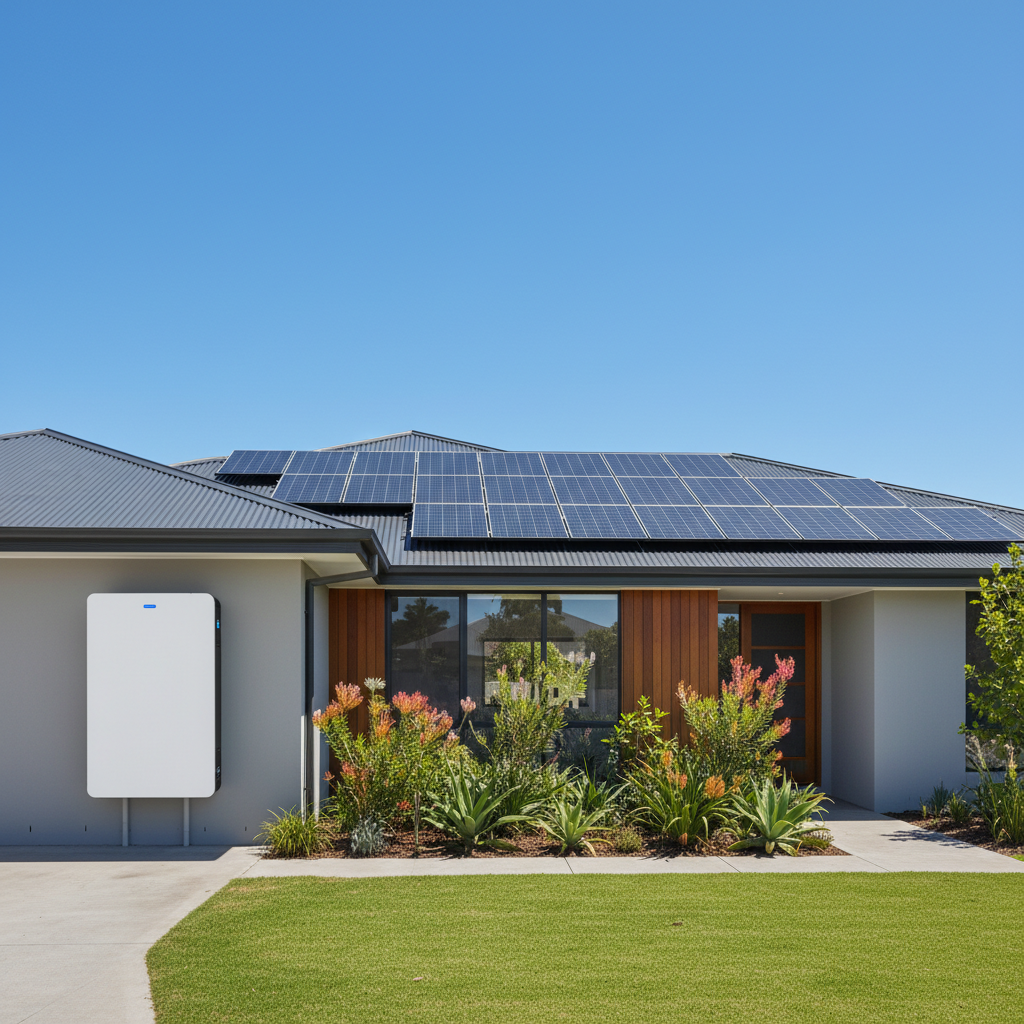
What Is the Best Solar Battery for Australian Homes?
The best solar battery offers high efficiency, long-term reliability, and value — qualities found in Vista’s AlphaESS, Sungrow, and BYD systems.
Based on Vista Electrical Controls’ installation experience across Australia, the leading solar batteries in 2026 are AlphaESS, BYD, and Sungrow. These systems feature Lithium Iron Phosphate (LFP) chemistry, strong throughput warranties, and robust performance under local conditions.
Vista provides both AC-coupled and DC-coupled designs, ensuring compatibility with new and existing solar systems. Every project is installed and supported by certified professionals who understand local energy requirements and compliance standards. When a solar system is installed by certified professionals, it maximizes your solar power output and minimizes excess energy waste. This means excess energy generation doesn’t go unused, preventing excess energy losses and maximizing your solar investment’s return.
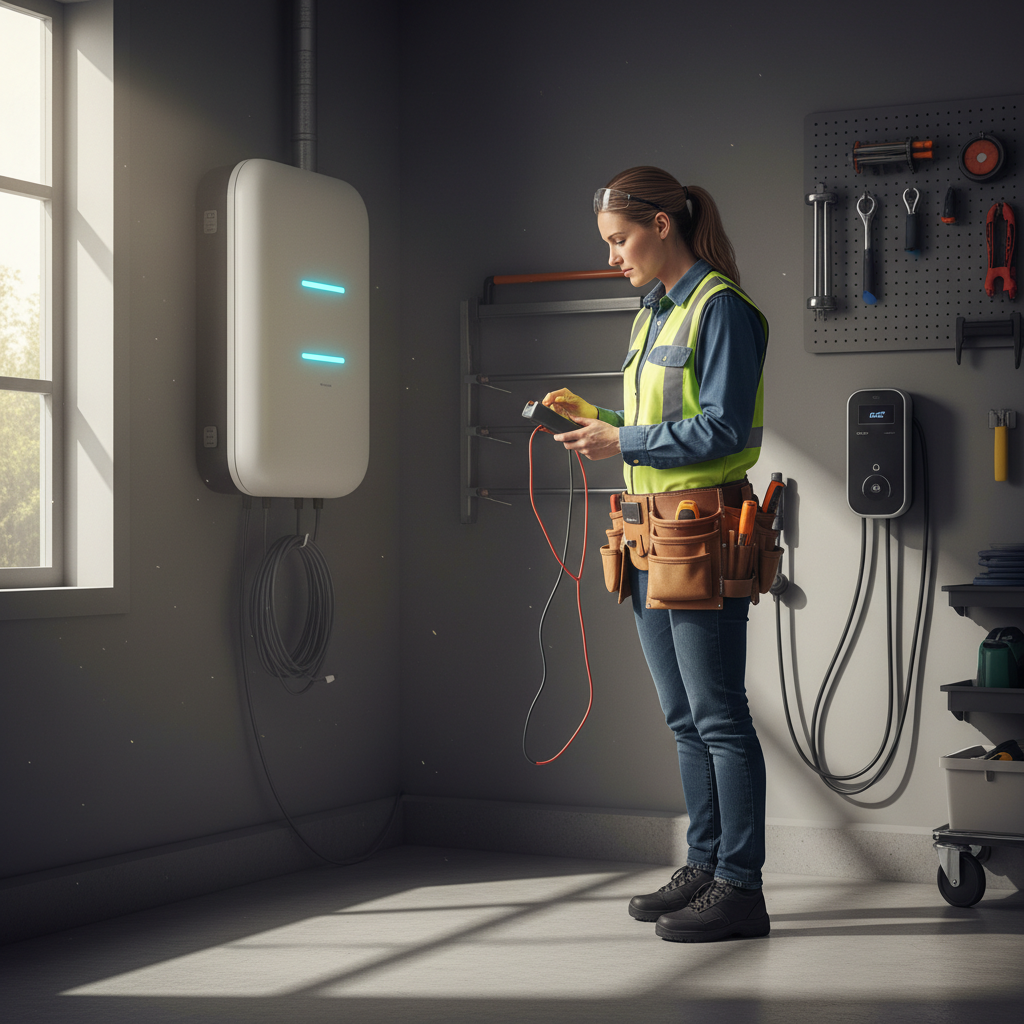
What Makes the Best Solar Battery?
When evaluating a solar battery system, homeowners should consider four key factors.
1. Lithium Iron Phosphate (LFP) Chemistry
Modern LFP batteries are thermally stable, safer than older lithium-ion types, and typically deliver over 6,000 cycles with minimal degradation.
2. Adequate Storage Capacity
A 10–15 kWh battery storage capacity suits most Australian homes. Larger households or small businesses may require up to 30 kWh, achievable through scalable systems from Sigenergy or commercial-grade AlphaESS models.
3. Hybrid Inverter Integration
A hybrid inverter optimises the flow of power between solar panels, the battery, and household circuits. Vista’s range integrates with major inverter technologies including Sungrow, GoodWe, and SolarEdge. A quality solar system installed with compatible hybrid inverters ensures seamless energy management and maximum efficiency gains.
4. Warranty and Retention
Vista’s partnered brands provide 10-year warranties with at least 70% capacity retention or equivalent throughput protection, ensuring predictable long-term performance. Among leading solar battery brands, AlphaESS, BYD, and Sungrow use advanced solar technology to optimise energy efficiency across residential applications.
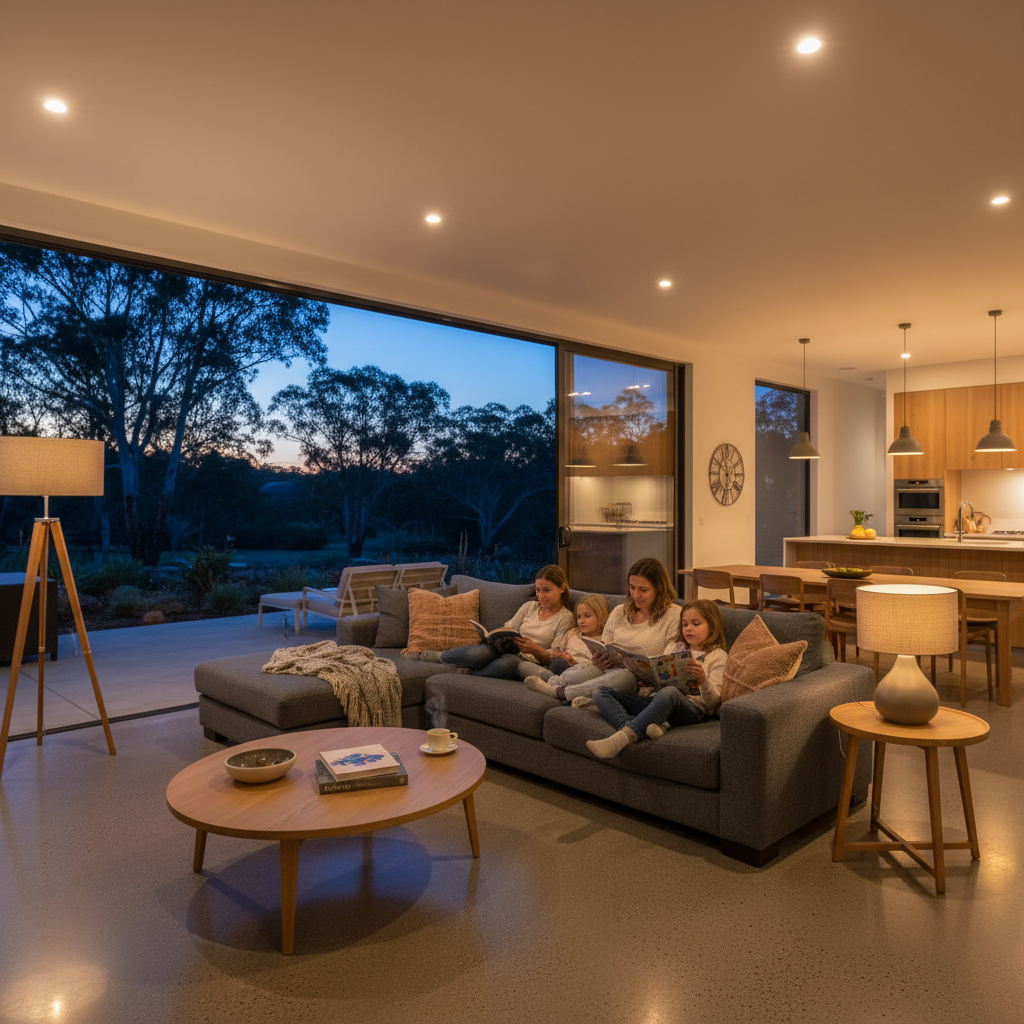
Comparing the Top Solar Battery Brands in 2026
| Brand | Storage Capacity | Battery Chemistry | Hybrid Inverter Ready | Backup Power | Warranty & Retention | Typical Price (Installed) | Ideal For |
|---|---|---|---|---|---|---|---|
| AlphaESS | 10–30 kWh (Residential–Commercial) | LFP | Yes | Yes | 10 yrs / ≥70% or 3.12 MWh per kWh throughput | $10,000 – $17,000 | Modular, scalable homes |
| BYD | 10–22 kWh | LFP | Yes | Yes | 10 yrs / 60–70% retention (throughput-based) | $9,000 – $15,000 | Safe, modular designs |
| Sungrow | 9.6–25 kWh | LFP | Yes | Yes | 10 yrs / 70–75% retention | $9,000 – $14,000 | Integrated hybrid setups |
| SolarEdge | 10–20 kWh | LFP | Yes | Yes | 10 yrs / ~70% retention | $10,000 – $16,000 | Smart system integration |
| iStore | 10–15 kWh | LFP | Yes | Yes | 10 yrs / ~70% retention | $8,500 – $13,000 | Compact installations |
| GoodWe | 9.8–19.6 kWh | LFP | Yes | Yes | 10 yrs / ~70–75% retention | $8,500 – $14,500 | Affordable efficiency |
| Sigenergy | 10–30 kWh | LFP | Yes | Yes | 10 yrs / ~70–80% retention | $11,000 – $18,000 | Large homes or commercial |
| Tesla Powerwall 3 | 13.5 kWh | LFP | Yes | Yes | 10 yrs / 70% retention | $13,000 – $16,000 | Single-unit premium option |
Key Takeaway
While all these batteries use safe LFP chemistry, Vista’s multi-brand offering provides a broader choice of capacities, price points, and inverter compatibility — ensuring a better fit for Australian energy needs.
Why Choose Vista’s Battery Systems
Vista Electrical Controls focuses on long-term reliability, value, and transparent service.
Accredited Installation
All installations are completed by licensed electricians under Australian standards.
Smart Integration
Unified app control for your solar panels, solar inverter, and battery storage.
Local Support and Consumer Protection
Vista offers local warranty assistance backed by Australian consumer laws.
Proven Performance
Verified real-world data, transparent pricing, and accurate rebate information.
How Solar Batteries Reduce Electricity Costs
A well-designed solar battery system stores excess solar energy during the day for use at night, significantly lowering grid reliance. A properly configured solar power system enables homeowners to achieve maximum energy independence while reducing their reliance on grid electricity.
Most homeowners can expect to cut electricity bills by up to 80% depending on usage and solar capacity.

Updated Federal and State Rebates – 2026
Cheaper Home Batteries Program
- Federal rebate: approximately $372 per kWh of usable capacity (before fees) or $330–$344 after fees.
- Applies to the first 50 kWh of capacity installed. (solar battery installed must be LFP chemistry)
- Declines annually through 2030.
Typical Rebates
- 10 kWh battery → $3,300–$3,700
- 11.5 kWh battery → $4,000–$4,600
- 13.5 kWh system → $4,600–$5,000
State-Based Programs
Additional programs in SA, VIC, and NSW may offer extra rebates or Virtual Power Plant (VPP) incentives, improving the payback period to roughly 6–9 years depending on energy consumption and electricity rates.
The Future of Energy Storage in Australia
Australia’s energy transition is accelerating. Virtual Power Plants (VPPs) and grid-support programs enable homeowners to sell stored energy back to the grid during peak demand periods, reducing carbon emissions and strengthening the distribution network.
Vista’s range of LFP-based solar battery systems is VPP-ready, supporting both current and emerging smart-grid programs across the country. Combined with solar panels and comprehensive solar power management strategies, these systems represent the future of residential renewable energy in Australia.

Best Solar Battery Comparison Summary
| Feature | Vista Range (AlphaESS, BYD, Sungrow, etc.) | Typical Premium Option |
|---|---|---|
| Battery Chemistry | LFP | LFP |
| Capacity Range | 9–30 kWh | ~13.5 kWh |
| Scalability | Modular | Fixed |
| Hybrid Inverter Ready | Yes | Yes |
| Backup Power | Yes | Yes |
| Warranty | 10 yrs / 70–75% retention | 10 yrs / 70% retention |
| Local Support | Australia-wide | Varies |
| Integration with Existing Systems | Excellent | Moderate |
| Typical Price Range | $10,000 – $18,000 | $13,000 – $16,000 |
| Federal Rebate Eligibility | Yes ($3,300–$5,000) | Yes |
| Overall Value | Excellent | High |
Conclusion
The best solar battery for your home depends on your energy profile, budget, and solar setup — but the fundamentals remain the same: safe chemistry, verified warranties, and trusted local support.
Vista Electrical Controls partners with leading global manufacturers — AlphaESS, BYD, Sungrow, SolarEdge, GoodWe, iStore, and Sigenergy — to deliver high-quality Lithium Iron Phosphate (LFP) systems that meet Australia’s toughest standards.
Whether upgrading an existing solar system or designing a new installation, Vista provides transparent advice, proven reliability, and genuine savings on your electricity costs.
Talk to Vista Electrical Controls today to find the right battery system for your home and start your transition toward clean, independent energy.
Frequently Asked Questions About Solar Batteries
What is the best solar battery for Australian homes in 2026?
The best solar battery depends on your energy needs, budget, and system configuration. AlphaESS, Sungrow, and BYD consistently rank as top choices for Australian homes due to their LFP chemistry, 10+ year warranties, and excellent performance in local conditions. Vista Electrical Controls recommends evaluating your daily energy consumption and selecting a battery that covers 80% of your average usage to maximize cost-effectiveness.
How long do solar batteries last?
Modern Lithium Iron Phosphate (LFP) batteries typically last 10-15 years with 70-80% capacity retention at the end of their warranty period. This means that even after a decade of use, your battery will retain most of its original storage capacity. Regular monitoring and proper installation by certified electricians ensure optimal performance and longevity.
Can solar batteries be used without solar panels?
Yes, technically solar batteries can be used without panels, but this significantly reduces their value. Batteries alone would charge from the grid, offering minimal savings. Most Australian homeowners pair batteries with solar panels to maximize savings on electricity costs and achieve energy independence. The combination of solar power generation and battery storage delivers optimal return on investment for most residential installations.If you’re considering a battery without panels, grid-charged operation may not provide sufficient ROI compared to traditional energy options.
How much do solar batteries cost in Australia?
Solar battery costs vary widely based on capacity and brand. In 2026, typical pricing ranges from $8,500-$18,000 for 10-15 kWh residential systems, before federal and state rebates. Many Australian states offer rebates between $3,000-$5,000 for eligible installations, effectively reducing upfront costs by 20-40%. The Cheaper Home Batteries Program provides federal rebates of approximately $372 per kWh. Consider your energy needs and eligible incentives when budgeting for a system.
What is the difference between LFP and other battery types?
Lithium Iron Phosphate (LFP) batteries offer superior safety, longer lifespan, and better temperature performance compared to older lead-acid or nickel-based options. LFP chemistry is specifically designed for residential energy storage and meets Australia’s strict safety standards. While LFP batteries cost more upfront than older technologies, their extended warranty periods (10+ years) and higher cycle counts make them more cost-effective over their lifetime.
How do I qualify for federal solar battery rebates?
To qualify for the Cheaper Home Batteries Program federal rebate, your battery system must meet specific criteria. The battery chemistry must be eligible (LFP qualifies), the system must be installed by accredited professionals, and you must own your residential property in a participating state. Rebates apply to the first 50 kWh of capacity installed. Check your state’s specific eligibility requirements, as additional local incentives may be available in South Australia, Victoria, New South Wales, and other regions. Proper solar power installation by accredited professionals ensures your system qualifies for all available federal and state incentives.